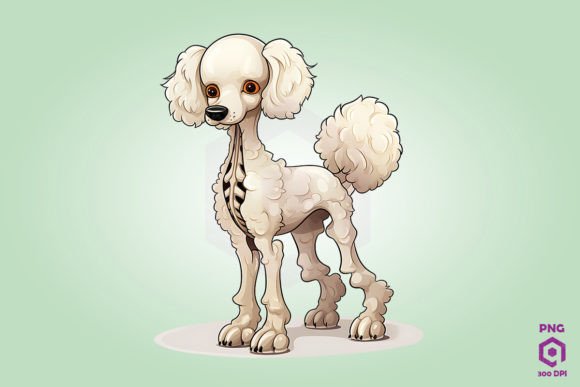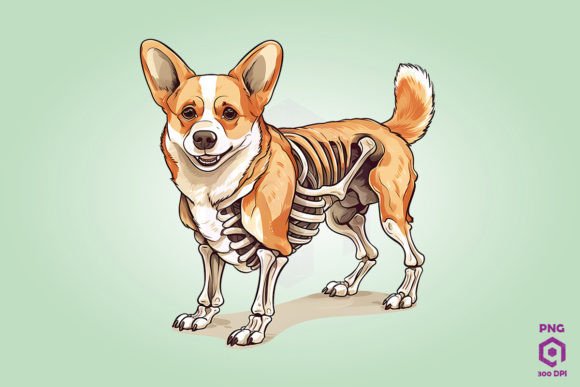
Skeleton Pembroke Welsh Corgi Dog Embroidery Review
Last week, a client asked me to create a run of personalized tote bags for a dog rescue fundraiser. She wanted something edgy but still cute, something that would make people smile at the farmers market booth. That is exactly when I opened the Skeleton Pembroke Welsh Corgi Dog file for the first time. As someone who has tested hundreds of embroidery designs for real shop use, I can tell you: this graphic made me stop scrolling. It is not every day you see a corgi skeleton that manages to be both anatomically playful and genuinely charming. After stitching it across several product types, I want to share what works, what needs attention, and how to get the most out of this Graphics asset in your own craft business.
First Look: Mood, Shape, and Visual Personality
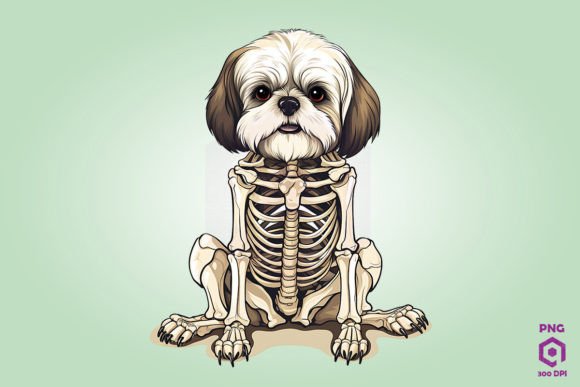
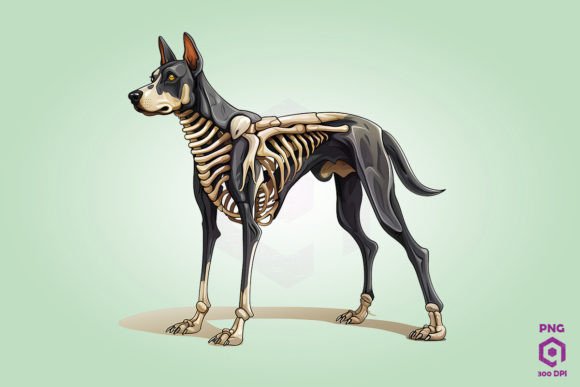
The Skeleton Pembroke Welsh Corgi Dog immediately strikes a balance between spooky and sweet. The skeleton structure is simplified just enough to read clearly at embroidery scale, but it retains the iconic corgi proportions — the long body, the short legs, the perky ears rendered as bony shapes. The overall mood is playful rather than macabre. I would call it Halloween-adjacent but not holiday-locked. This design could work for a dog lover who collects quirky anatomy art, for a veterinary clinic promotion, or for anyone who appreciates dark humor with a soft heart. The line quality feels clean, and the open areas within the skeleton shapes give you room to play with thread color choices. As an Illustrations piece, it translates well into both embroidery and sublimation workflows, but the real test comes when you load it into your machine.
How It Performs on Real Products
I tested the Skeleton Pembroke Welsh Corgi Dog on four different product types: a cotton sweatshirt, a canvas tote bag, a structured cap, and a linen tea towel. Here is what I found.
On the sweatshirt, the design sat beautifully. The open internal areas of the skeleton meant the stitch density stayed moderate, so the fabric did not pucker or stiffen excessively. I used a medium-weight cutaway stabilizer and a 4x4 hoop, and the design centered cleanly on the left chest. The tote bag told a similar story — the embroidery file handled the thicker canvas well, and the bone shapes remained crisp after several passes of the needle. The cap was trickier. Curved surfaces always test the limits of any design, and the elongated corgi body required careful centering on the front panel. I would recommend this design for flat or gently curved products first. On the linen tea towel, the skeleton motif had a wonderful handmade, almost folk-art feel. For custom apparel projects, this design delivers consistent results as long as you respect its dimensions.
Where to Use This Design Carefully
If you are thinking about shrinking the Skeleton Pembroke Welsh Corgi Dog down for a tiny patch or a baby onesie, slow down. The detail within the skull and ribcage areas needs a minimum size to remain legible. I would not recommend going smaller than three inches in height for embroidery. Below that, the individual bone segments start to blur together, and the stitch density can become too tight for lightweight fabrics. Similarly, if you are working with stretchy knits or very thin sheers, be mindful of registration. The skeleton has narrow sections that can pull off alignment if the stabilizer is not firm enough. For dark fabrics, choose a bright thread — white, neon green, or metallic silver — to make the bones pop. On black or navy, a dark gray thread will disappear. Test a satin stitch outline in a contrasting color to define the shape against the background.
Visual Appeal, Product Value, and Customer Trust
In my experience, designs that generate the most engagement from buyers are the ones that spark a reaction within two seconds. The Skeleton Pembroke Welsh Corgi Dog does exactly that. It is unexpected, it is clever, and it makes dog people smile. For an Etsy seller or a small shop product, this kind of personality builds brand recognition. A customer who buys a skeleton corgi sweatshirt is likely to remember where they got it and come back for other animal anatomy pieces. The design also photographs well for listings. When I placed the finished tote bag in natural light, the bone details were visible enough to show quality stitching without needing a macro lens. That matters for printable mockups and digital product previews — you want shoppers to see the craftsmanship, not guess at it. For commercial embroidery projects, this design adds a layer of professionalism because it looks intentional, not generic.
Practical Designer Notes Before You Stitch
I always run a test stitch on scrap fabric before committing to a final product. With the Skeleton Pembroke Welsh Corgi Dog, that step saved me from a small registration issue on my first attempt. Here are the notes I wish someone had handed me before I started.
- Test the design on a lightweight cotton muslin first. Check that the bone ends are sharp and that the fill stitch areas do not have gaps.
- Review the thread colors you plan to use against both a white and a dark fabric. The skeleton reads best when the main bone color contrasts strongly with the background.
- Confirm your hoop size before digitizing or importing. This design has a horizontal orientation, so a 5x7 hoop gives you comfortable margin space for centering.
- Inspect small details like the toes and the tail bones. If any area looks too narrow for your needle, consider simplifying that section with a running stitch instead of a satin stitch.
- Use a medium-weight tear-away stabilizer for woven fabrics and a cutaway for knits. The open areas in the skeleton mean less thread coverage overall, so the stabilizer needs to hold the shape without adding bulk.
- Check whether the embroidery file format you purchased matches your machine. If the product listing does not specify file types, contact the seller before stitching a client order.
- For sublimation projects, test the PNG version on a polyester blank. The bone lines should remain crisp after pressing. Check for ghosting if your heat press runs hot.
- If you plan to sell finished products with this design, confirm the commercial embroidery license terms. Some Graphics sellers allow unlimited physical items but restrict digital resale. Know your rights before listing on Etsy.
Turning This Design into a Bestselling Product
I have been running my own handmade product business for six years, and I have learned that a single strong design can anchor an entire collection. The Skeleton Pembroke Welsh Corgi Dog has that potential. Pair it with a matching skeleton cat or skeleton human design for a pet lover series. Offer it as a personalized gift option where buyers can add their dog name under the skeleton. Use it on baby embroidery items for parents who love quirky science themes. The design also works beautifully as an embroidered patch — stitch it onto twill tape and sell it as an iron-on accessory for jackets and backpacks. For holiday embroidery, swap the thread colors to orange and black for Halloween markets, or use pastel bones for a spring release. The flexibility here is real, and it comes from the design's clean foundation.
Stitching Clarity and Customer Reaction
After placing the finished tote bag in my shop window, three customers asked about it within the first hour. That kind of organic curiosity tells me the design has strong visual pull. The stitching clarity held up well after the bag was handled repeatedly. I did notice that very fine bone lines — particularly around the paw digits — could benefit from a slightly thicker outline if you are digitizing the design yourself. If you are using a pre-digitized machine embroidery design, check those areas during your test stitch. If they appear thin, consider adding a second pass with a running stitch to reinforce them. Customers notice when a design loses definition after a few washes, and this skeleton holds up well when the stitch settings are dialed in correctly.
Final Thoughts from the Worktable
The Skeleton Pembroke Welsh Corgi Dog is one of those design assets that looks simple at first glance but reveals more personality the longer you work with it. It suits a wide range of products — from custom apparel to tote bag design to sweatshirt embroidery — and it fits comfortably into both everyday and seasonal collections. The Illustrations category often gives you either overly complex or overly generic options. This one sits in a sweet spot: distinctive enough to sell, simple enough to stitch reliably. If you run a craft business or create digital embroidery file products, this design deserves a spot in your library. Just remember to test, stabilize, and confirm your licensing before you start stitching for customers. A smart setup now saves you from ripped fabric and unhappy buyers later.