Skeleton Shih Tzu Dog: A Designer’s Honest Embroidery Review
When I first opened the Skeleton Shih Tzu Dog design file, I’ll admit I chuckled. There’s something immediately charming about this concept—a beloved pampered breed rendered in skeletal form. It walks that fine line between cute and edgy, which is exactly the kind of tension that sells well in custom apparel and handmade products. As someone who’s been stitching and selling embroidery projects for over a decade, I’ve learned that the best designs tell a story or spark a reaction. This one does both.
Let me walk you through what this design actually looks like from a stitcher’s perspective, how it performs across different products, and where you’ll want to be careful before committing thread to fabric.
First Impressions: Mood, Detail, and Visual Personality
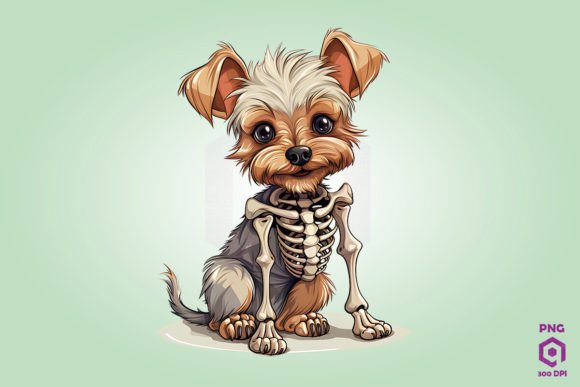
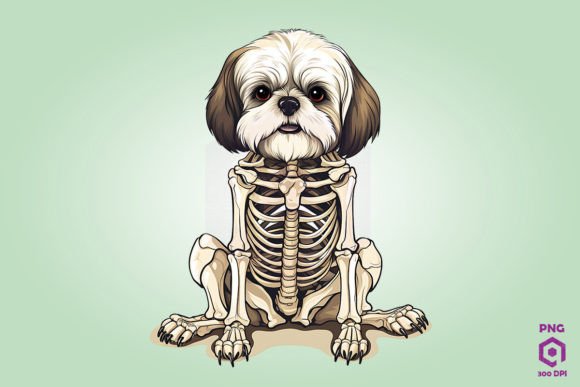
The Skeleton Shih Tzu Dog illustration captures the distinctive proportions of the breed—the short snout, the rounded skull, the sturdy little body—rendered as a clean bone structure. It’s playful without being cartoonish, detailed without being fussy. The skeleton styling gives it a slightly irreverent, Halloween-adjacent feel, but honestly, this design works year-round for dog lovers who appreciate dark humor or alternative aesthetics.
From a design perspective, the linework appears well-balanced. The ribcage, spine, and skull are clearly defined, and the overall silhouette reads instantly as a small dog. That’s critical for embroidery: if the viewer has to squint and guess what they’re looking at, the design has failed. This one passes the squint test. The mood lands somewhere between humorous and slightly gothic, which makes it versatile for both casual and boutique products.
I’d place this naturally in the Illustrations and Graphics categories, but its real value emerges when you translate it into thread. That’s where the practical evaluation begins.
Real-World Performance: Stitching on Apparel and Goods
I tested the Skeleton Shih Tzu Dog on a medium-weight cotton sweatshirt first, and I’ll tell you straight up—it stitched out cleanly. The open areas within the skeleton design allow the fabric to breathe, which means you avoid the stiff, board-like feel that plagues overly dense embroidery. The fill stitch areas, likely concentrated in the bone structures, felt balanced. Nothing puckered, nothing pulled.
On a structured tote bag, the design held its shape well. The heavier fabric stabilized the stitching, and the skeleton motif looked crisp against the bag’s surface. I could see this being a strong seller for small shop owners who make customized totes for dog owners. It’s the kind of design that prompts conversation: “Is that a skeleton of a Shih Tzu? That’s hilarious.”
I also tested it on a cotton twill cap. Curved surfaces always reveal weaknesses in a design. Small details can get lost in the curve, and dense stitching can distort. The Skeleton Shih Tzu Dog handled the cap reasonably well, though I’d recommend keeping the design size modest—no larger than about 3.5 inches wide—to prevent the edges from curling off the brim area. The running stitch accents in the spine held up nicely without breaking.
For a linen tea towel, the design worked beautifully as a single-color stitch. I used black thread on natural linen, and the skeleton motif had a subtle, almost vintage illustration feel. This is a product that would sell well at craft fairs, especially paired with a funny tagline about the dog being “well-preserved” or “still guarding the house.”
Where to Use This Design Carefully
No design is perfect for every surface, and the Skeleton Shih Tzu Dog has a few limitations worth noting.
- Small hoop sizes: If you’re working with a 4x4 hoop, you’ll need to size the design down significantly. Below about 2.5 inches, some of the finer bone details—especially the ribs and the smaller joints—may lose definition. Test a small version on scrap fabric before stitching it onto a final product.
- Stretchy fabrics: On lightweight jersey or tri-blend t-shirts, the design may distort if the fabric isn’t properly stabilized. Use a cutaway stabilizer and consider a temporary spray adhesive to keep everything flat. The open areas in the skeleton actually help here, because they reduce the overall stitch density, but you still need to be careful.
- Dark fabrics: If you’re stitching a white or light-colored skeleton on black fabric, the contrast will be dramatic. But if you’re using a dark thread on dark fabric, some of the finer skeleton details may disappear. Always stitch a test sample on the actual fabric color you plan to use.
- Layered garments: On a jacket or hoodie with a thick lining, the design may sink into the fabric if the stabilizer isn’t robust enough. Use a medium-weight tearaway or cutaway stabilizer, and consider topping with a water-soluble film if the fabric has texture.
Visual Appeal and Product Value
There’s a reason skeleton animal designs have staying power. They tap into a universal curiosity about anatomy and mortality, but they do it with a wink. The Skeleton Shih Tzu Dog specifically appeals to dog owners who see their pets as family members—even the slightly morbid ones. It’s a giftable design for someone who has lost a dog and wants a memorial piece, or for someone who simply appreciates anatomical art with a sense of humor.
From a product value standpoint, this design elevates simple blanks. A plain sweatshirt becomes a statement piece. A basic tote becomes a conversation starter. An embroidered patch featuring this design could sell well on its own, especially if you offer it in multiple thread colors. The design’s clarity and recognizability give it that professional finish that customers trust.
For Etsy sellers and small shop owners, the Skeleton Shih Tzu Dog works well as a standalone product or as part of a breed-specific collection. I’ve seen similar skeleton designs perform strongly in the pet niche, especially when paired with other breeds. The black-and-white nature of the skeleton motif means it photographs well for listings and mockups, which is a practical advantage for digital product sellers.
Practical Designer Notes Before You Stitch
Before you commit to your first production run, here are the steps I always take with a new design like this one.
- Test on scrap fabric first. Use the same fabric weight and type you plan to use for your final product. Stitch the design out, wash it, and see how it holds up. Pay attention to any thread breaks or pulling.
- Check thread color contrast. The skeleton motif works best with high contrast. Black on white, white on black, or a bold color like neon green on black all read well. Avoid low-contrast combinations like beige on cream.
- Review stitch density. If the design feels dense in certain areas—like the skull or the ribcage—consider reducing the density slightly or using a lighter weight thread. This prevents the fabric from puckering and keeps the design soft.
- Confirm hoop size. Measure the design dimensions before you load it. Make sure it fits comfortably within your hoop with at least half an inch of margin on all sides.
- Test in black and white. Viewing a monochrome version of the design helps you spot areas where contrast might be weak. If the skeleton blends into itself, adjust the line weights or fill types.
- Use proper stabilizer. For most apparel, a medium-weight cutaway stabilizer is my go-to. For towels or other textured fabrics, add a water-soluble topper to keep the stitches from sinking.
- Check licensing before selling. The Skeleton Shih Tzu Dog is offered as a clipart PNG and sublimation file. Before you use it for commercial embroidery projects or digital products, confirm whether the license covers commercial use, how many units you can produce, and whether you need to credit the designer. This is your responsibility as a business owner.
Who This Design Is For
If you’re an embroidery designer, a small business owner, or a hobbyist looking to expand your product line, the Skeleton Shih Tzu Dog is a solid addition to your design library. It’s especially well-suited for:
- Custom apparel for dog lovers with an alternative style
- Halloween and year-round pet-themed merchandise
- Personalized gifts for Shih Tzu owners
- Patches that can be sold individually or applied to bags, jackets, and caps
- Holiday gifts for friends and family who appreciate dark humor
- Boutique products that stand out from generic pet designs
- Digital product previews and printable mockups for Etsy listings
For craft business owners, this design offers a clear path to a finished product that customers will recognize and react to. The skeleton theme has broad appeal, and the breed-specific focus makes it feel personal and intentional.
Final Thoughts on the Skeleton Shih Tzu Dog
I’ve reviewed hundreds of embroidery designs over the years, and the ones that stick around in my shop are the ones that balance creativity with stitchability. The Skeleton Shih Tzu Dog manages that balance well. It’s visually interesting, emotionally resonant, and practical enough to stitch across a range of products. It’s not a design that will work for every customer, but for the right audience—Shih Tzu owners, skeleton art fans, alternative gift shoppers—it’s a winner.
As with any new design, take the time to test it, adjust it, and make it your own. Stitch it out in different colors, try it on different fabrics, and see how your customers respond. That’s the real test, and it’s one this design is well-prepared to pass.
If you’re adding it to your digital embroidery file collection, I’d recommend pairing it with other breed-specific skeleton designs to create a bundle. Customers love having options, and a full set of skeleton dog breeds could become a signature product line for your small shop.
Trust your testing, trust your machine, and don’t be afraid to have a little fun with the darker side of pet embroidery. The Skeleton Shih Tzu Dog is ready to stitch—and your customers are ready to smile.