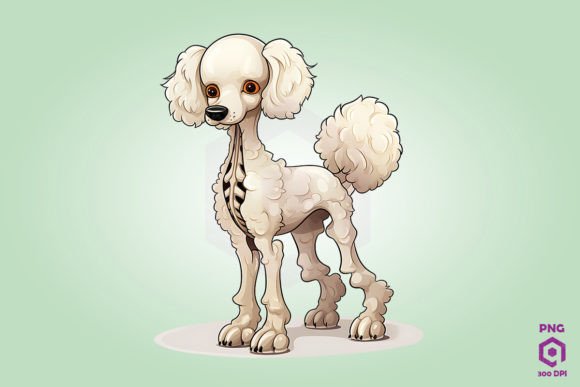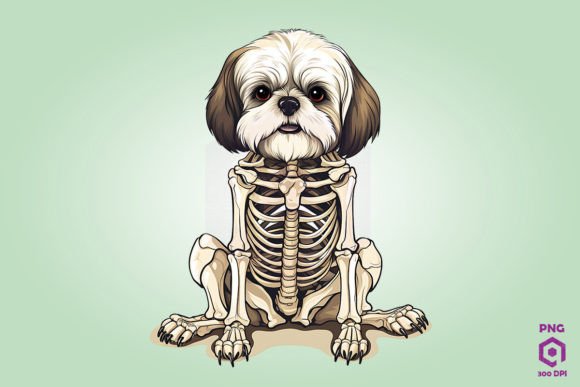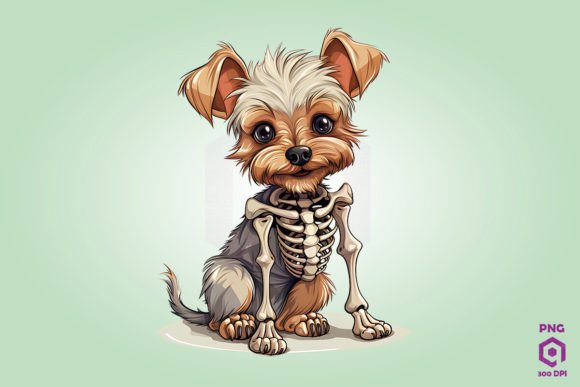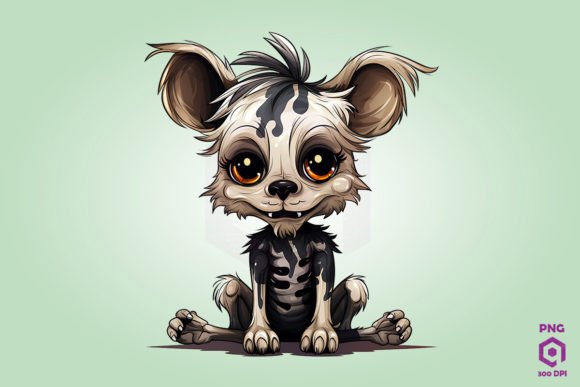
Skeleton Doberman Pinscher Dog: A Designer's Review
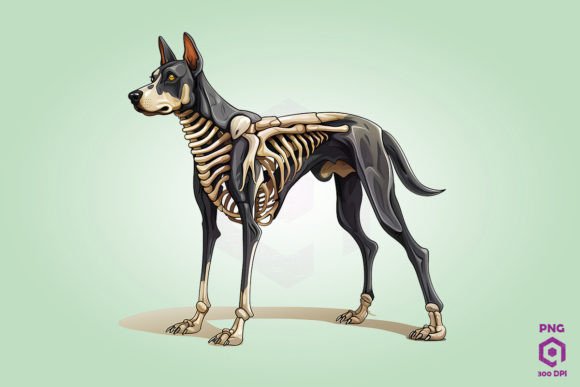
When I first opened the Skeleton Doberman Pinscher Dog design, I knew immediately this was not a cute-and-cuddly pet graphic. It carries an edgy, anatomical mood that feels more at home in a gothic or alternative aesthetic than on a typical family keepsake. The silhouette is sharp, the skeletal structure is detailed without being overwhelming, and the overall composition gives off a strong, almost architectural presence. As an embroiderer who has stitched thousands of designs across every kind of garment, I can tell you that this machine embroidery design has a distinct personality. It leans into a darker, more anatomical style that will appeal to dog lovers who want something beyond the usual fluffy portrait. The visual personality is bold, structured, and unapologetically striking. This is not a design for a conservative boutique or a baby shower gift. It belongs on products that make a statement.
First Impressions and Visual Personality
Looking at the Skeleton Doberman Pinscher Dog as an embroidery file, the first thing I noticed is the balance between detail and readability. The skeletal lines are distinct enough to read clearly as a Doberman, but they are not so fine that they will disappear into the fabric. This is a critical factor for anyone who has ever stitched a design only to find the thin lines turned into a muddy mess. The anatomy feels accurate, and the pose is alert and proud. That matters because customers who buy a skeleton dog design typically want it to look like a real animal under the surface, not a generic cartoon bone structure. The mood is confident, almost defiant. It would work beautifully on a sweatshirt embroidery project for someone who loves their Doberman and wants to show off a tougher, more artistic side. It also aligns well with the Halloween and alternative fashion markets, making it a versatile asset for Etsy sellers who cater to those niches.
How It Performs on Real Products
I tested the Skeleton Doberman Pinscher Dog on a few different product types to see how it holds up under real stitching conditions. On a medium-weight cotton tote bag design, the design stitched out cleanly with good definition. The skeletal ribs and leg bones are distinct enough to read from a few feet away, which is important for a tote bag that will be seen in public. The fill and satin stitch areas balanced well, and the overall density felt appropriate for a bag that gets regular use. On a custom apparel piece, specifically a black sweatshirt, the design really popped. The contrast between the white thread and the dark fabric made the skeleton look crisp and dimensional. I also tried it on a hat using a smaller hoop, and that is where you need to be careful. The detail in the skull and spine can get compressed on a curved surface. If you are planning to put this on a cap, I recommend reducing the size slightly and using a dense stabilizer to keep the stitches from distorting.
For embroidered patch projects, this design is a strong candidate. The skeletal lines work well in a patch format because the edges are clean and the internal details are not too fine. I could see this being popular as a iron-on patch for denim jackets, backpacks, or even dog collars. It also translates well to apron embroidery, especially for a butcher or a chef who has a Doberman. The design has a natural connection to anatomy, which makes it clever for certain professions. For pillow cover embroidery, the design adds a decorative edge that feels more like art than a simple pet portrait. I would recommend using a medium to large hoop size to preserve the skeleton detail. The design also works well on tea towels and blankets, though I would avoid tiny hoops for those applications.
Where to Use This Design Carefully
Not every product is a good home for the Skeleton Doberman Pinscher Dog. I want to be honest about where this design can cause trouble. First, small hoop sizes. If you try to cram this into a 4x4 hoop, you will lose the finer bone details. The skull in particular becomes a cluster of stitches that may not read clearly. I recommend a minimum hoop size of 5x7 for most applications, and larger if you want the skeleton to have real visual impact. Second, thin or stretchy fabric. The stitch density in the skeletal areas is moderate, but on a lightweight jersey or a stretchy knit, the fabric can pucker or distort. Use a cutaway stabilizer and a layer of topper if you are stitching on stretchy material. Third, dark fabric. While the design works well on black, if you are using dark thread on dark fabric, the skeleton will vanish. Use a light thread color, preferably white, silver, or a bright neon, to make the bones stand out. Fourth, curved surfaces like caps. The spine and ribcage are long linear elements that can distort on a curved cap crown. Test on a curved surface before committing to a batch of hats.
I also advise caution with baby embroidery projects. This design is not appropriate for infants or toddlers. The skeletal theme is mature and could be unsettling for a nursery. Stick to apparel and accessories for adults and older kids. For holiday embroidery, this design is perfect for Halloween but not for Christmas or Easter. It is a niche design, and that is fine. Knowing your audience is half the battle.
Visual Appeal, Product Value, and Customer Trust
When a customer sees a Skeleton Doberman Pinscher Dog on a product, they are not looking for a generic pet portrait. They want something that reflects their personal style, their love for their dog, and their appreciation for edgy art. The design delivers on that front. It looks professional, structured, and intentional. That translates directly to product value. A well-stitched skeleton design on a quality sweatshirt can command a higher price because it feels like a piece of wearable art, not a mass-produced decal. For handmade product sellers, this design helps build a reputation for offering unique, high-quality items. It also builds customer trust. When buyers see that your embroidery is crisp, detailed, and well-placed, they are more likely to return and recommend your shop.
The design also works as a design asset for printable mockup purposes. If you sell digital products, the Graphics format of this design allows you to create mockups that look professional and appealing. You can preview it on a hoodie, a tote bag, or a patch, and those mockups help customers visualize the finished product. That is a huge advantage for digital product sellers and creative entrepreneurs who need to showcase their work without stitching every sample. The Illustrations category is a natural home for this design, and it fits well into a dog bundle or a collection of skeleton animal graphics.
Practical Notes from the Embroidery Table
Here are the things I always check before stitching any design, and the Skeleton Doberman Pinscher Dog is no exception. First, test on scrap fabric. I cannot stress this enough. Stitch the design on a piece of fabric similar to your final product before you commit to a finished item. Check the thread colors in person. What looks good on screen may look different under shop lights. Second, review the stitch density. If the design has areas that are too dense, they can cause the fabric to pucker. If it is too sparse, the skeleton may look incomplete. Third, confirm the hoop size you need. Do not guess. Measure the design dimensions and choose a hoop that leaves at least an inch of clearance around the edges. Fourth, inspect small details. Look at the eyes, the joints, and the tail. If any area looks like it might be too small to stitch cleanly, consider enlarging the design or simplifying the detail. Fifth, test the design in black and white mockups. This helps you see the contrast and the readability without the distraction of color. Sixth, compare light and dark fabric backgrounds. The design may look completely different on a white t-shirt versus a black hoodie. Choose your background wisely.
Use a proper stabilizer. For most applications, a medium-weight cutaway stabilizer is my go-to. For stretchy fabrics, use a heavier stabilizer or a layer of topper. For patches, a tearaway stabilizer with a water-soluble topping can work well. Always check the licensing before you sell finished items. Since the product description does not specify license terms, I recommend contacting the seller or reviewing the listing carefully. If you plan to sell commercial embroidery products, make sure you have the right to use the design for that purpose. The same applies if you are selling digital embroidery files or design assets as part of a bundle. Do not assume that personal use covers commercial sales.
Final Thoughts on This Design
The Skeleton Doberman Pinscher Dog is a strong, distinctive design that will appeal to a specific audience. It is not a universal design, but it does not need to be. For small shop product sellers who cater to alternative fashion, dog lovers, Halloween enthusiasts, or anyone who appreciates anatomical art, this design is a valuable addition to your library. It stitches well on a variety of products, from sweatshirt embroidery to embroidered patch projects, as long as you respect its need for adequate hoop size and stable fabric. It adds a professional, artistic edge to any product, and it helps build a brand identity that stands out from the crowd of generic pet designs.
For craft business owners, handmade shop owners, and apparel decorators, this is a design worth testing. It performs well, it looks good, and it has a clear market. Just be honest with yourself about the size limitations and the fabric requirements. If you are a hobbyist or a maker looking for a project that challenges your skills and produces a conversation piece, this is a great choice. The Skeleton Doberman Pinscher Dog is not a safe design, but it is a rewarding one when executed well. That is exactly the kind of embroidery project that keeps me coming back to the machine.