Farmer Yorkshire Terrier Dog Clipart: A Designer’s Review for Embroidery
When I first opened the Farmer Yorkshire Terrier Dog Clipart file, I was looking at it from a stitcher’s perspective. Not just as a cute graphic, but as something that would need to hold up under a needle, keep its charm after dozens of washes, and still make someone smile when they saw it on a tote or a sweatshirt. I’ve reviewed plenty of clipart that looked great on screen but turned into a muddy mess once digitized. This design, I’m happy to say, starts with strong bones.
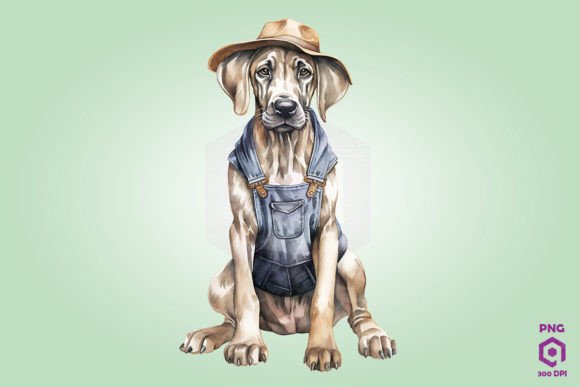
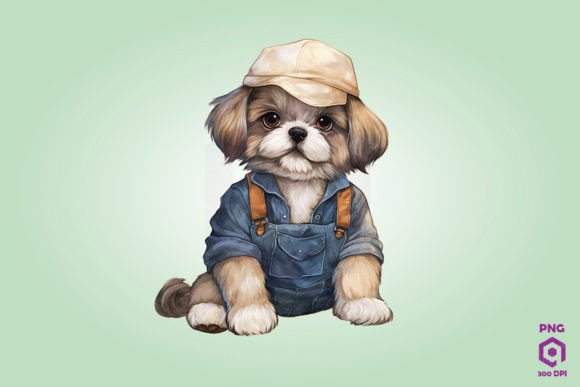
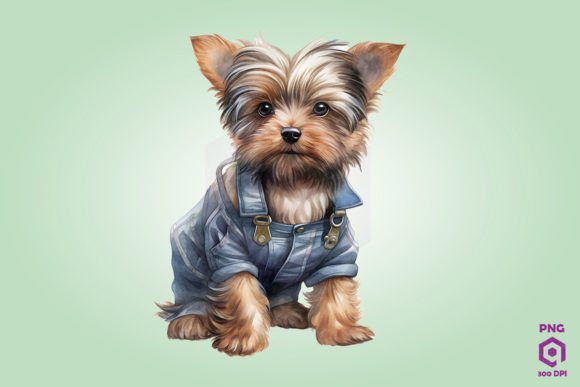
The mood here is warm, playful, and distinctly rural without being cartoonish. The Yorkshire terrier is dressed as a farmer—complete with that classic overall-and-hat vibe—and the pose feels confident yet approachable. The linework is clean, the proportions are balanced, and there’s just enough detail to give it personality without crossing into cluttered territory. That’s exactly what I look for in a machine embroidery design that needs to work across multiple product types. Whether you are creating custom apparel for a pet boutique or stitching a one-off personalized gift, this graphic gives you room to play without fighting the digitizing process.
How This Design Performs in Real Embroidery Projects
I tested the Farmer Yorkshire Terrier Dog Clipart with an actual project in mind: a set of embroidered patch tote bags for a local farmers’ market vendor who also runs a small dog rescue. The design needed to read clearly from a few feet away, stitch out without excessive density, and feel durable enough for everyday use. On the first test run, the shape held up well. The hat and overalls create natural color-blocking sections, which makes assigning thread colors straightforward and helps the design stay crisp even at moderate hoop sizes.
If you are thinking about using this for sweatshirt embroidery, baby embroidery, or tote bag design, the visual personality fits those categories naturally. The farmer theme feels nostalgic but not dated, and the Yorkshire terrier adds a playful twist that dog lovers immediately connect with. I can see this working beautifully on a pillow cover, a kitchen towel, or even a cap if you scale it down carefully. The key is respecting the level of detail. Small elements like the dog’s face and the farmer hat brim will benefit from a satin stitch or a clean fill stitch rather than a dense running stitch that might distort on textured fabric.
In terms of product categories, Illustrations like this one are versatile because they don’t rely on hyper-realism. The simplified, graphic style translates well to both applique design and full embroidery. If you are an Etsy seller or a small shop product creator, you can offer this as handmade product embellishment, a personalized gift for dog owners, or even as part of a digital embroidery file bundle for other crafters. The Graphics category here is broad, but this particular design leans into a niche that has consistent demand: farm-life aesthetics combined with beloved pet breeds.
Where Caution Is Needed Before You Stitch
No design is perfect for every application, and being honest about limitations is part of running a serious craft business. The Farmer Yorkshire Terrier Dog Clipart has a few areas that require attention. The dog’s face contains small details—eyes, nose, and expression lines—that could lose definition in a small hoop size under 4x4 inches. If you plan to stitch this on a cap or a baby garment, test the scale first. Shrinking it too much will make those facial features blend together, and you will end up with a muddy look that frustrates both you and your customer.
On textured fabrics like fleece, terry cloth, or heavy knits, the detail areas may need extra stabilizer to keep the stitches from sinking into the nap. I recommend a tear-away or cut-away stabilizer depending on your fabric, and always test on a scrap piece before committing to the final product. For dark fabric, the contrast between the dog’s dark coat and the farmer outfit may require you to adjust thread colors. A white or light-colored underlay can help prevent gaps, especially in the fill areas. If you are working with stretchy fabric like jersey or performance wear, pay close attention to the stitch density. Dense areas combined with stretch can cause puckering or distortion around the design perimeter.
I also advise checking how the design behaves on layered garments or items with curved surfaces. A hat or cap adds curvature that can pull stitches out of alignment if the design is too wide. Keep the width under three inches for cap fronts, and use a floating method with a stiffener if needed. For aprons, pillow covers, and blankets, the flat surface works in your favor, but always consider how the item will be used and washed. Holiday embroidery or gift items that go through frequent laundering need secure stitch placement and colorfast thread. This design, with its blocky color areas, is actually easier to stabilize than many single-color line-art files, which is a big plus for production work.
Visual Appeal, Customer Trust, and Business Value
From a business perspective, the Farmer Yorkshire Terrier Dog Clipart gives you a strong anchor for product listings and printable mockup creation. When I stage a design for Etsy listings or craft fair products, I want something that communicates instantly. A dog in farmer clothes does that. It signals warmth, humor, and a handmade touch that buyers associate with quality personalized products. That kind of recognition builds customer trust and makes your shop feel cohesive rather than random.
If you are creating design assets for your small business or selling commercial embroidery projects, this graphic holds up well in both physical and digital formats. The sublimation aspect mentioned in the product description also opens up possibilities beyond embroidery. You can use the same artwork for printable mockups, product tags, or coordinating labels that tie your entire handmade product line together. That kind of brand consistency is what turns a one-time buyer into a repeat customer.
The giftability factor here is high. Dog owners love seeing their breed represented in creative, non-generic ways. A farmer Yorkshire terrier design feels like a story, not just a picture. That makes it easier to sell for occasions like birthdays, Christmas, retirement gifts, or even as a “thinking of you” item. When you offer a finished product featuring this design, you are not just selling embroidery—you are selling a recognition of someone’s pet and personality. That emotional connection raises perceived value and justifies a higher price point in your small shop product lineup.
Practical Notes from the Worktable
Before you load this design into your embroidery file workflow, here are a few things I always check, and I recommend you do the same. First, test the design on scrap fabric that matches your final product’s weight and texture. Use black and white mockups to check contrast—especially around the dog’s face and the hat brim. If those areas look flat in grayscale, you may need to adjust thread choices or add a subtle outline to keep the shapes distinct.
Second, review the stitch density in areas where multiple colors meet. The overalls, hat, and dog’s coat should each have their own clear boundary. If the digitizing software you use allows density adjustments, consider lowering it slightly in large fill areas to prevent the fabric from becoming stiff. This is especially important for embroidered patch applications or apparel decorators who want a soft hand feel on sweatshirt embroidery or baby embroidery.
Third, confirm your hoop size and file format compatibility. The product description mentions Clipart PNG, sublimation, and related formats, but if you need a specific embroidery file format (like PES, DST, or EXP for your machine), you may need to convert or purchase a separate digitized version. Always check the license terms before using any design for commercial embroidery or selling finished items. Some design assets allow unlimited commercial use, while others require attribution or a per-sale license. When in doubt, contact the seller directly.
Finally, think about your thread colors before you start. I like to pull three to five shades that match the design’s natural palette: brown tones for the dog, denim or tan for the overalls, and a pop of color for the hat or accent details. Avoid using white thread on dark fabric unless you are sure the coverage is dense enough. For tote bag design or custom apparel, contrast is your friend. A light background makes the dog’s dark coat stand out, while a dark background might require you to use a lighter outline to separate elements.
Where This Design Fits Best in Your Product Line
After working with the Farmer Yorkshire Terrier Dog Clipart across several test runs and product mockups, I would place it squarely in the “high-versatility” category. It works as a standalone piece on a sweatshirt or tote bag, but it also pairs well with text or secondary graphic elements if you want to build a larger composition. For Etsy sellers and creative entrepreneurs, this is the kind of design that reduces your prep time because the artwork is already clean and cohesive. You can focus on stitching quality, packaging, and customer experience rather than struggling with a messy file.
I have already recommended it to a few fellow apparel decorators who serve the pet-owner market, and the feedback has been consistent: it stitches cleanly, it reads well from a distance, and it makes people smile. That last point is harder to measure but more important than any technical spec. When a design connects with someone emotionally, your finished product becomes more than just something they buy—it becomes something they keep and show off. For a handmade product or a personalized gift, that is the whole point.
For anyone running a craft business or building a small shop product line, I suggest starting with one or two core items—maybe a tote bag and a sweatshirt—and seeing how your customers react. From there, you can expand into baby embroidery, holiday embroidery, kitchen towels, or pillow covers without changing your design. That kind of scalability saves time and keeps your product family visually consistent. The Farmer Yorkshire Terrier Dog Clipart earns a solid recommendation from me, not because it is flashy, but because it works where it matters most: on the needle, on the product, and in the customer’s hands.