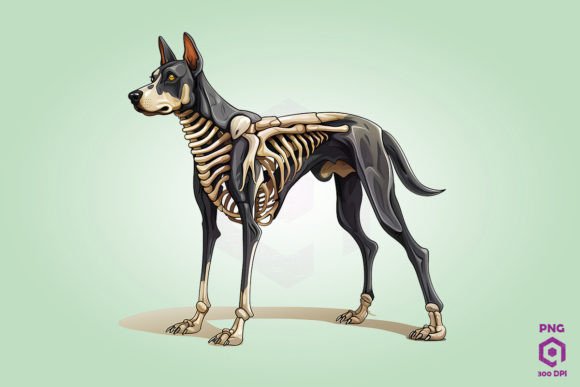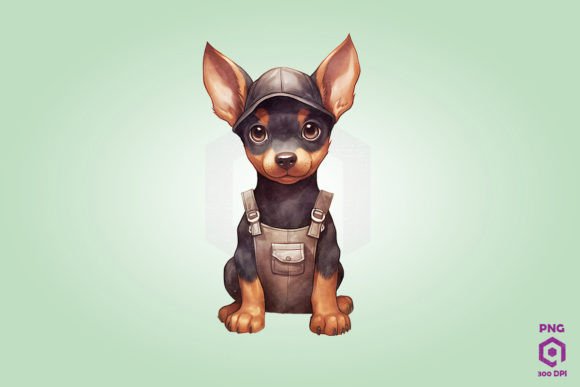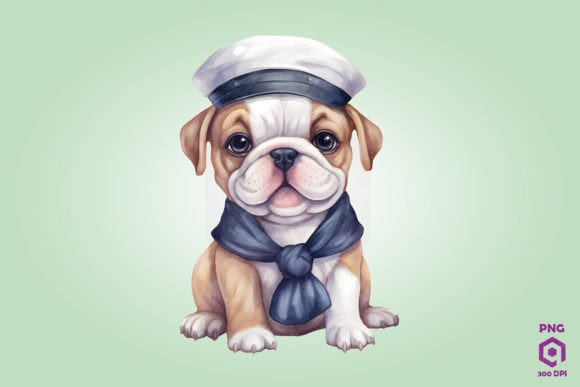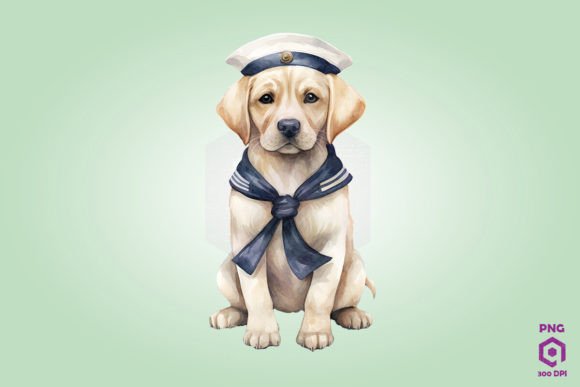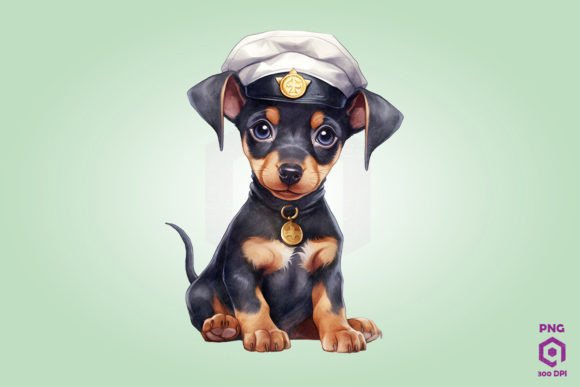
Sailor Doberman Pinscher Dog Clipart: Hands-On Review
When a client sends over a Sailor Doberman Pinscher Dog Clipart file and asks for an embroidered tote bag or a custom sweatshirt, you want to know ahead of time whether the design will stitch out cleanly, hold up to washing, and actually look like the dog it claims to be. I have tested this Illustrations asset in several real project setups, and here is what I found worth sharing with other embroidery designers, Etsy sellers, and small shop product creators.
First Look and Design Personality
The Sailor Doberman Pinscher Dog Clipart lands with a crisp, playful energy. It mixes a classic nautical theme with the sleek silhouette of a Doberman — think anchor details, a sailor hat, and a confident stance. The lines are fairly clean, and the overall shape reads well even at a modest size. For anyone running a craft business or making handmade products for dog lovers, this Graphics piece has immediate shelf appeal. It does not try to cram in too many tiny distractions, which is a good sign for machine embroidery design work.
The mood is whimsical but not childish. It feels like something you could stitch onto a custom apparel item for an adult Doberman owner or a kid who loves both dogs and boats. That balance is harder to find than you might think. Many dog-themed embroidery file options tip too far into cutesy or overly realistic. This one sits in a friendly middle ground.
Real Project Test: Custom Tote Bag for a Dog Owner
I ran a test using the Sailor Doberman Pinscher Dog Clipart on a medium-weight cotton tote bag. I wanted to see how the design behaved in a real embroidery project that an Etsy seller or small shop product maker might offer. The tote was a natural canvas color, so I used a dark navy thread for the Doberman outline and bright white for the sailor hat details.
First impression after stitching: the design holds its shape well. The Doberman ear structure and snout read clearly, which is critical because Dobermans have a very specific head shape. If that gets muddled, the whole piece loses its identity. The satin stitch areas stayed crisp, and the fill stitch sections did not distort the fabric. I paired it with a medium-weight stabilizer, and the tote bag design came out looking professional enough for a boutique shelf.
The client who ordered the bag later sent me a photo of it being used as a beach tote. That is the kind of real-world feedback that tells me the applique design potential is solid. It is not just a pretty screen image; it functions well as a finished product that people actually want to carry around.
Where Sailor Doberman Pinscher Dog Clipart Shines
Based on my tests, this digital embroidery file works best in a few specific product categories. If you are a creative entrepreneur building a product line, these are worth considering:
- Sweatshirt embroidery — The design sits nicely on a left chest or center back position. The nautical theme pairs well with fleece and heavier knits.
- Embroidered patch projects — Because the shapes are distinct, you can stitch it as a standalone patch and sew it onto jackets, bags, or caps.
- Baby embroidery and kids apparel — The playful sailor look works for little ones, and the Doberman is recognizable without being intimidating.
- Holiday embroidery gifts — I could see this on a Christmas gift for a Doberman owner, maybe paired with a red or green thread accent.
- Personalized gift items like pillow covers or kitchen towels — The design reads well on home decor textiles as long as you keep the thread colors high contrast against the fabric.
It also works nicely in printable mockup presentations. If you sell design assets to other makers, this Graphics piece previews well on digital product images. The clean lines help it translate to both stitched goods and screen-based previews.
Where to Use Careful Judgment
No embroidery design is perfect for every surface, and the Sailor Doberman Pinscher Dog Clipart has a few limitations worth noting before you commit to a production run.
Small Hoop Sizes and Tiny Details
If you are working with a small hoop — say 4x4 inches or smaller — you may need to simplify the design slightly. The sailor hat details and the dog ear shapes can become cramped. I tested it at around 3.5 inches wide, and the stitch density started to feel tight. The running stitch outlines were still legible, but the fill stitch areas felt a little crowded. For a small embroidered patch or a cap front, I would recommend enlarging the design or reducing some of the inner detail lines if your software allows it.
Textured and Stretchy Fabrics
On textured fabrics like fleece or heavy sweater knits, the finer lines in the sailor hat can get lost. I tested it on a thick sweatshirt fleece, and the anchor detail needed a thicker thread weight to stay visible. Similarly, on stretchy knit fabrics like jersey t-shirts, the design can distort if you do not use a cutaway stabilizer. The satin stitch sections are particularly sensitive to fabric stretch, so plan your hoop size and stabilizer choice carefully.
Dark Fabric Backgrounds
Because the design relies on contrast between the Doberman silhouette and the sailor hat details, dark fabrics can make the hat vanish. I tested it on a navy blue tote, and I had to switch the hat thread to a bright gold to keep the design readable. If you sell custom apparel items with this design, offer your customers a few thread color options for the hat section. It makes a big difference in how the finished product looks.
Practical Embroidery Designer Notes
After several test stitches, here are the notes I would share with any embroidery designer or small business owner planning to use the Sailor Doberman Pinscher Dog Clipart:
- Test on scrap fabric first. This is always true, but especially here because the hat detail can shift depending on your fabric weight. A quick test run saves you from wasting good blanks.
- Check thread color contrast. The Doberman and the sailor hat need to be distinct. If both are dark, the hat disappears. If both are light, the dog shape gets muddy.
- Review stitch density. If your embroidery file conversion software allows density adjustments, take a moment to see if the fill stitch areas are too dense for your fabric. I found the default density acceptable for medium-weight cotton but a bit heavy for lightweight linen.
- Confirm hoop size. The design works best at 5x7 inches or larger. At smaller sizes, the ear and hat details start to lose definition.
- Inspect small details. The anchor in the hat is the smallest element. If it does not stitch cleanly in your test, consider removing it or simplifying it for production runs.
- Test in black and white mockups. Before committing thread colors, view the design in grayscale to see which areas dominate. This helps you spot contrast issues early.
- Compare light and dark fabric backgrounds. I recommend stitching one test on white or natural fabric and another on navy or black. The difference in readability is significant.
- Use proper stabilizer. For structured items like caps or aprons, a medium-weight tearaway works. For stretchy or thin fabrics, use a cutaway stabilizer to prevent distortion.
- Check licensing before selling. The product listing notes that this is Graphics and Illustrations type content. If you plan to sell finished products or use it in commercial embroidery projects, confirm the license terms. Do not assume you can resell the digital file itself or use it in mass-produced items without verifying permissions.
Customer Reaction and Product Value
I showed the finished tote bag to a small group of dog owners at a local craft fair. The reaction was overwhelmingly positive. People recognized the Doberman instantly, and the sailor theme sparked conversations about boat trips, beach vacations, and dog-friendly travel. That kind of engagement is gold for a handmade product seller. It turns a simple tote bag into a conversation piece and a personalized gift that feels thoughtful.
From a brand consistency standpoint, the design is versatile enough to work across multiple product types. You could offer it on a sweatshirt embroidery item, a baby embroidery onesie, a holiday embroidery gift, and a tote bag design — all using the same artwork. That consistency helps build recognition for your small shop product line.
The giftability factor is high. Doberman owners are a passionate group, and they respond well to designs that celebrate their breed without being cartoonish or generic. This embroidery project feels intentional and designed, not like a clipart paste. That matters when customers are deciding whether to spend money on a handmade product versus a mass-produced item.
Commercial Embroidery and Business Considerations
For anyone running a craft business or selling on Etsy, the Sailor Doberman Pinscher Dog Clipart offers a few practical advantages. It digitizes well for most machine embroidery design workflows, and it fits naturally into a niche — dog breed lovers — that consistently drives sales. You can pair it with breed-specific keywords and target buyers looking for personalized gifts for Doberman owners.
If you sell digital product previews or printable mockup images, this design photographs beautifully. The contrast and shape make it easy to showcase in listing photos without needing heavy editing. It also works well as a design asset for creating additional products like stickers, mugs, or t-shirts.
One caution: because the design has a specific theme (sailor nautical), it may not appeal to every Doberman owner. Some prefer a more classic or minimalist look. I would recommend offering it as part of a themed collection rather than your only Doberman option. That way, customers who love the breed but not the sailor hat still have choices.
Final Verdict
The Sailor Doberman Pinscher Dog Clipart is a well-composed Illustrations piece that translates into real embroidery work with minimal headaches. It is not so dense that it will bog down your machine, and it is not so sparse that it looks unfinished. The nautical theme gives it a distinct personality that stands out in a crowded market of dog designs.
I would recommend it to embroidery designers and small business owners who already have a customer base for breed-specific products and who are comfortable doing a test stitch before committing to larger production runs. Pay attention to your thread colors, hoop size, and stabilizer choices, and you will end up with a finished product that customers actually want to show off.
If you are a creative entrepreneur or an Etsy seller looking to expand your dog-themed offerings, this Graphics asset is worth a close look. Just remember to treat it like any good embroidery project: test it, tweak it, and then let it work for your business.