Trick or Treat Akita Dog 3: A Designer’s Honest Review for Real Embroidery Projects
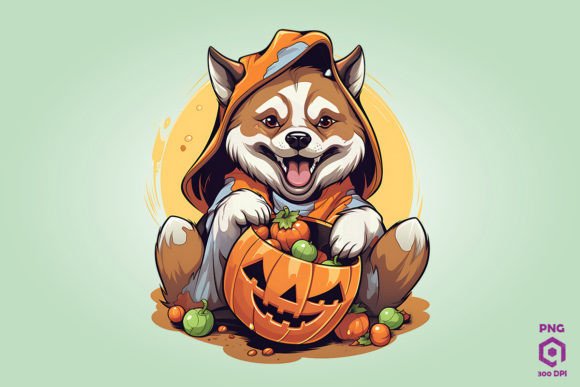
When I first opened Trick or Treat Akita Dog 3, I was immediately drawn to the confident stance of the Akita and the playful Halloween energy it brings. This is not a generic jack-o-lantern scene or a cartoonish ghost. It is an illustration that leans into the noble, loyal nature of the Akita breed while adding festive charm. As a designer who has tested hundreds of embroidery files and graphics for real stitching, I look for pieces that hold their shape, read clearly at a distance, and make customers stop scrolling. This design does all three.
Let me walk you through how Trick or Treat Akita Dog 3 actually performs in production, where it shines, where it needs extra care, and what kind of finished products benefit most from its visual personality. Whether you are an Etsy seller building a Halloween collection or a small shop owner fulfilling custom apparel orders, this review will help you decide if this graphic belongs in your next project.
First Impressions: Mood, Shape, and Visual Personality
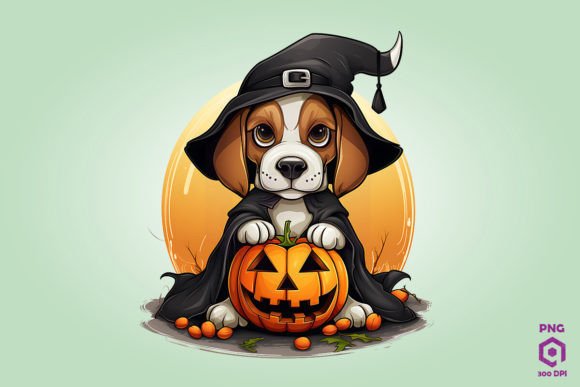
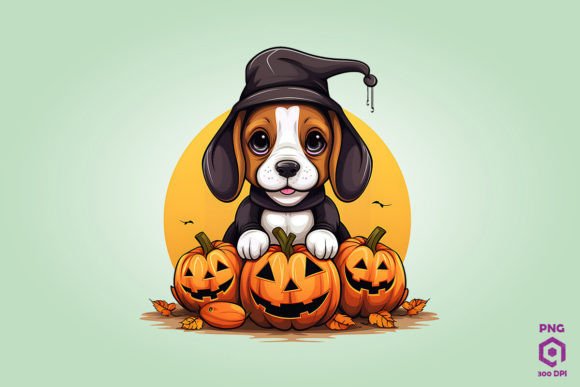
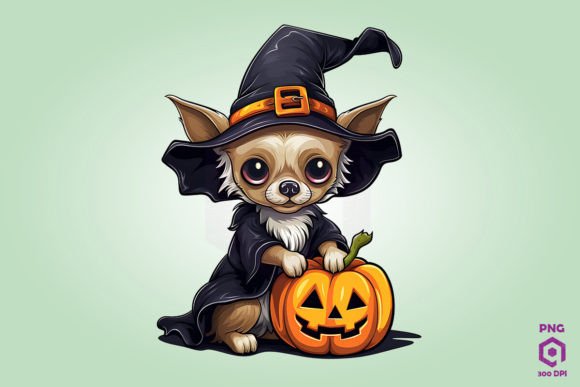
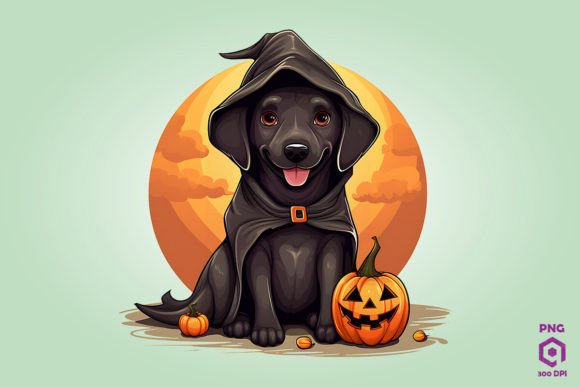
The artwork captures an Akita wearing a playful Trick or Treat spirit. The dog’s silhouette is strong and recognizable, which matters greatly when you are embroidering on a sweatshirt or a tote bag. The composition is balanced without being too symmetrical, giving it a natural, hand-drawn feel. The level of detail is moderate — enough to convey fur texture and expression, but not so dense that it becomes a thread nightmare in small sizes.
I would place this in the Illustrations category without hesitation. It works as a standalone focal point or paired with a name, date, or small decorative border. The mood is festive but not childish, which means it appeals to adult dog lovers, parents buying gifts, and even boutique customers looking for unique personalized gifts. The theme is specific enough to feel intentional, but broad enough to fit multiple product types.
Real Case: Testing the Design on a Custom Tote Bag
I recently used Trick or Treat Akita Dog 3 on a heavyweight canvas tote bag for a client who wanted a Halloween gift for her sister, an Akita owner. The design assets were provided as a PNG, which is common for sublimation and printable mockups. For embroidery, I converted the graphic into an embroidery file using digitizing software, paying close attention to stitch direction and density.
Stitched at roughly 4 inches wide on the tote, the design held its shape beautifully. The satin stitch outlines gave the Akita a crisp edge, and the fill stitch areas in the dog’s coat blended well without puckering the fabric. I used a medium-weight cutaway stabilizer on the canvas, and the result was a professional, gift-ready product. The client loved it, and the sister immediately posted it on social media. That kind of organic engagement is gold for a craft business.
Where Trick or Treat Akita Dog 3 Excels in Production
Based on my testing, here are the products where this design performs best:
- Custom apparel: Sweatshirts, t-shirts, and hoodies in medium to heavyweight fabrics. The Akita’s shape reads well on the chest or back.
- Tote bags and aprons: The design’s moderate detail level works beautifully on canvas and twill. It becomes a conversation piece.
- Embroidered patches: If you sell embroidered patches, this graphic converts cleanly into a patch shape with a border. It stands out on denim jackets and backpacks.
- Pillow covers and tea towels: Home decor items with a Halloween theme sell well in boutiques. The Akita adds a sophisticated touch compared to standard holiday motifs.
- Baby and kids items: For a toddler onesie or a child’s hoodie, the design is playful without being scary. It works as a baby embroidery piece if scaled down carefully.
- Holiday gifts and personalized products: Pair the design with a name or initial, and you have a thoughtful gift that feels custom and premium.
The graphic also serves as an excellent printable mockup for digital product listings. If you sell digital embroidery file bundles or sublimation designs, this image creates appealing previews that help buyers visualize the finished product. As a design asset, it is versatile enough for both physical goods and digital shop fronts.
Where to Use Care: Fabric, Hoop Size, and Detail Limits
No design is perfect for every surface, and Trick or Treat Akita Dog 3 has a few considerations worth noting:
- Small hoop sizes: If you are stitching this design under 2.5 inches, some of the facial details may lose clarity. The eyes and nose need enough space to register. I recommend testing it at your intended size before committing to production.
- Textured or stretchy fabrics: Terry cloth, fleece, and lightweight knits can swallow fine details. Use a water-soluble topper and a firm stabilizer to keep the stitches crisp.
- Dark fabrics: The design relies on contrast between the dog’s coat and the background. On black or very dark fabric, consider using a light underlay or adjusting thread colors to maintain visibility.
- Curved surfaces like caps: The Akita’s broad head shape may require careful hooping on a cap. I would avoid placing it too close to the brim or the side seams. A flat-front hat works best.
- Dense stitch areas: If your digitized version has heavy fill in the dog’s body, monitor stitch density. Excessive density can cause fabric distortion, especially on lighter materials.
For commercial embroidery projects, always run a test stitch on fabric that matches your final product. Adjust thread colors based on the shirt or bag color — a warm orange or a rich purple background makes the Akita pop beautifully.
Visual Appeal, Customer Trust, and Product Value
When a customer buys a handmade product featuring an Akita, they are often buying for emotional reasons — the dog looks like theirs, or they love the breed’s symbolism. Trick or Treat Akita Dog 3 taps into that loyalty. The design feels respectful to the breed while adding a seasonal twist that feels timely, not forced.
From a small business perspective, this graphic helps build brand consistency. If you sell dog-themed apparel or accessories, using a cohesive set of illustrations across your product line signals professionalism. Customers begin to recognize your style, which drives repeat purchases and trust. The giftability factor is high — I would confidently sell this to someone looking for a Halloween present that stands out from mass-produced options.
For apparel decorators and handmade shop owners, the design’s clarity in stitching translates to fewer returns and happier buyers. A well-stitched Akita with clean lines and balanced proportions signals quality. That kind of buyer engagement leads to positive reviews and word-of-mouth referrals.
Practical Designer Notes Before You Sew
Before you add Trick or Treat Akita Dog 3 to your production queue, here are actionable steps I recommend:
- Test on scrap fabric first. Always. Even if you have used similar graphics before, each embroidery file behaves differently based on the digitizing settings you choose.
- Check thread color contrast. The Akita’s coat typically works well in fawn, brindle, or white tones. Make sure your thread palette matches the intended look. A dark outline helps the design stand out on lighter garments.
- Review stitch density. If your conversion produces areas with more than 5,000 stitches per square inch, consider simplifying some fill sections. Dense designs can cause needle breaks and fabric damage.
- Confirm hoop size. Make sure the design fits comfortably within your hoop with at least half an inch of margin on all sides. Crowding the hoop edge risks registration errors.
- Inspect small details. The eyes, nose, and any lettering in Trick or Treat should be tested at your planned size. If they blur, enlarge the design or simplify the elements.
- Test in black and white mockups. Before finalizing thread colors, print a grayscale version of the design to check contrast and readability. This helps catch issues early.
- Compare light and dark fabric backgrounds. The same design can look dramatically different on a white shirt versus a dark heather. Adjust your thread palette accordingly.
- Use proper stabilizer. For most apparel, a medium-weight cutaway stabilizer works well. For hats or dense fabrics, consider a heavier option or a combination of tear-away and cutaway.
- Confirm licensing. Since Trick or Treat Akita Dog 3 is offered as a graphic, check the usage rights before producing items for sale or creating digital embroidery file bundles. Some Graphics are for personal use only, while others allow commercial embroidery with limits. Always verify to protect your craft business.
I also recommend testing the design on a sweatshirt embroidery project if you plan to sell to dog owners during the fall season. The heavier fabric supports the stitch work, and the design’s moderate size sits well on the left chest or center back. It also works beautifully as an applique design if you prefer fabric layering over dense stitching.
Final Thoughts from the Worktable
Trick or Treat Akita Dog 3 is a solid addition to any Halloween product lineup, especially if your audience includes dog lovers and boutique shoppers. It avoids the overly cutesy or generic trap that many seasonal designs fall into, offering instead a respectful, festive illustration that works across custom apparel, home decor, and personalized gifts. The Illustrations category suits it well, and the Graphics format gives you flexibility for both embroidery and sublimation applications.
My advice: test it at your intended size, match your stabilizer to the fabric, and check your thread contrast against the background. If you do those things, this design will serve your Etsy seller goals, your small shop product line, and your customers’ love for their four-legged family members. It earns a spot in my seasonal rotation, and I think it will earn one in yours too.