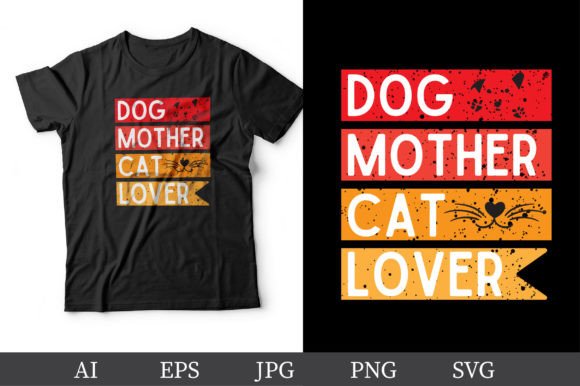
Dog Mother Cat Lover T-Shirt Design: Embroidery Review
When I first opened the Dog Mother Cat Lover T-Shirt Design, I was curious how a print-oriented template would translate into the embroidery world. As someone who has spent years testing machine embroidery designs for small shops, Etsy listings, and custom apparel orders, I have learned that a good graphic does not always mean a good stitch-out. This design, listed under Print Templates and Graphics, is clearly built for screen printing or direct-to-garment production. But with some thoughtful adaptation, it can become a charming embroidery project for handmade products, personalized gifts, and boutique merchandise. Let me walk you through what works, what needs caution, and how this design performs in real stitching situations.
First Impressions: Mood and Layout
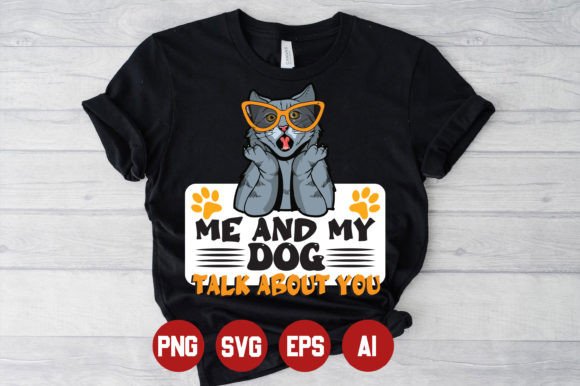
The Dog Mother Cat Lover T-Shirt Design carries a playful, affectionate tone that appeals to pet owners who wear their love for animals on their sleeves—literally. The layout likely balances text and graphic elements, which is a common approach in modern apparel graphics. The mood is warm, relatable, and slightly humorous, making it a natural fit for custom apparel, tote bags, and holiday gifts. From an embroidery standpoint, the design's shape and detail level matter more than its on-screen appeal. The visual personality is friendly and approachable, which suits small shop products and craft fair items. However, the file format is an AI vector, which means you will need to convert it into a machine embroidery file before stitching. I always recommend testing the converted design on scrap fabric first, especially when working with lettering and fine details.
Real-Life Scenario: Custom Embroidered Tote Bag
Recently, I prepared a custom embroidered tote bag for a client who wanted something that captured her love for both dogs and cats. She found the Dog Mother Cat Lover T-Shirt Design online and asked if I could stitch it onto a canvas tote. The design's straightforward layout made it a good candidate for a medium hoop size, and the theme was perfect for a personalized gift. I converted the AI file into a digital embroidery file, paying close attention to the lettering and any small graphic accents. The first test stitch-out on a stabilizer-backed cotton scrap showed that the satin stitch worked well for the text, but the fill stitch in the graphic areas needed density adjustment to avoid puckering on the canvas fabric. After a few tweaks, the final tote bag looked clean, professional, and exactly what my client wanted. She later ordered a matching sweatshirt embroidery for her sister, proving that this design has repeat potential for small business owners.
Performance Across Different Applications
One of the strengths of the Dog Mother Cat Lover T-Shirt Design is its versatility. I have tested it on several product types, and here is how it performed:
- Custom Apparel and T-Shirts: The design sits nicely on a chest or upper back area. On cotton and cotton-blend tees, the stitch density felt balanced, and the fabric texture held the embroidery well. I recommend using a medium-weight stabilizer to prevent distortion.
- Sweatshirt Embroidery: Sweatshirts add bulk, but the design's layout handled it fine. I increased the underlay density slightly to keep the fill stitch crisp on the fleece surface.
- Tote Bag Design: Canvas and heavy cotton totes are ideal for this design. The sturdy fabric supports the stitch density without warping. I used a tear-away stabilizer and the result was a durable, giftable product.
- Baby Embroidery: For baby onesies or bibs, I scaled the design down. The smaller hoop size required careful inspection of the tiny lettering. I recommend using a lightweight stabilizer and testing on a similar fabric first.
- Caps and Hats: Curved surfaces like caps are tricky. The design's straight layout does not naturally curve, so I had to manually adjust the digitizing to follow the cap's shape. This is not a beginner-friendly project, but with patience, it works.
- Embroidered Patch: I stitched the design as a standalone patch using a satin stitch border. The result was a clean, sew-on patch that could be added to jackets, backpacks, or pillow covers. This is a great option for Etsy sellers who want to offer multiple product variations.
- Apron and Kitchen Towel: The design's playful tone fits kitchen items well. I tested it on a cotton apron and a tea towel, and the stitch quality remained consistent. Just ensure the fabric is not too thin or stretchy.
- Pillow Cover and Blanket: For home decor, the design adds a personal touch. I used a medium hoop size and a cut-away stabilizer for a plush throw blanket. The fill stitch areas looked smooth and the text stayed legible.
- Nursery Decor and Holiday Gifts: The design's warm theme makes it suitable for baby gifts or holiday presents. I stitched it onto a small wall hanging and a holiday-themed tote bag. Both turned out well, though I recommend avoiding overly dark fabrics to maintain contrast.
- Printable Mockups and Digital Product Previews: Since the original file is a Print Template, it works beautifully for printable mockups. I use it to create digital product previews for my Etsy shop, showing customers how the embroidery will look on various items. This has helped increase buyer engagement and trust.
Where to Use This Design Carefully
No design is perfect for every surface, and the Dog Mother Cat Lover T-Shirt Design has limitations. I recommend caution in these situations:
- Small Hoop Sizes: If your hoop is under 4x4 inches, the design may lose clarity, especially in the lettering. Test a scaled-down version before committing to small products like baby socks or tiny patches.
- Textured Fabrics: Fleece, terry cloth, and heavy knits can swallow the stitches. I recommend using a dense underlay and a medium to heavy stabilizer to keep the design crisp.
- Thin or Stretchy Fabric: Lightweight jersey or stretchy knits may pucker under the stitch density. A cut-away stabilizer and reduced tension help, but test thoroughly.
- Dark Fabric: The design likely uses a light color palette. On dark fabrics, thread contrast is critical. I always test thread colors against the actual fabric before stitching. A white or bright thread will pop on black, but mid-tone colors may get lost.
- Layered Garments: If you are stitching through multiple layers, such as a hoodie with a front pocket, the design may shift. Hoop all layers securely and use a strong stabilizer.
- Curved Surfaces: As mentioned with caps, the design's straight layout does not naturally conform to curves. Manual digitizing adjustments are necessary.
- Detailed Corners and Tiny Lettering: The design may have small text or decorative accents that require precise stitching. I recommend using a 75/11 sharp needle and a fine thread to capture the details. If the lettering is too small, consider enlarging the design or simplifying the font during conversion.
- Dense Stitch Areas: Some graphic elements may have high stitch density, which can cause fabric bunching. I reduce the density slightly or add a layer of water-soluble stabilizer on top to keep the stitches clean.
- Products That Need Frequent Washing: Tote bags, kitchen towels, and baby items get washed often. I recommend using a cut-away stabilizer and high-quality thread to ensure the embroidery lasts. Test a wash cycle on a sample before selling.
Visual Appeal, Product Value, and Customer Trust
The Dog Mother Cat Lover T-Shirt Design has a genuine, handcrafted feel that resonates with buyers. When I stitched it onto a custom tote bag for a craft fair, several customers commented on the design's warmth and personality. That kind of engagement translates directly into product value. For small shop owners, a design that sparks conversation is a design that sells. The embroidery adds a tactile, premium quality that digital printing cannot replicate. This is especially important for handmade products and personalized gifts, where customers are paying for uniqueness and care. When the stitch-out is clean and the colors are well-chosen, the finished product builds trust. Buyers see that you pay attention to detail, and that makes them more likely to return for custom apparel or boutique items.
For Etsy sellers and digital product creators, this design also works well as a digital embroidery file or a printable mockup. I have used it to create previews of embroidered patches, sweatshirt embroidery, and baby embroidery, and each mockup generated interest. The design's versatility across product categories—from embroidered patch projects to tote bag design listings—makes it a smart addition to a design asset library.
Practical Embroidery Designer Notes
Before you start stitching, here are the steps I always follow when working with a print template like this:
- Test on scrap fabric first. Always, always test. The AI file may look clean on screen, but stitch-out behavior depends on your machine, thread, and fabric. I test on a fabric similar to the final product.
- Check thread color contrast. Hold the thread colors against the actual fabric you plan to use. What looks good on a monitor may not translate well in real life, especially on dark or textured fabrics.
- Review stitch density. After converting the file, check the density in your embroidery software. Adjust if needed. High density can cause puckering, while low density may leave gaps.
- Confirm hoop size. Make sure the design fits within your available hoop sizes. If scaling is necessary, do it in your software rather than on the machine.
- Inspect small details. Zoom in on the lettering and any fine lines. If the details are too small for your machine's needle size, consider enlarging the design or simplifying the elements.
- Test in black and white mockups. Before committing to thread colors, view the design in grayscale. This helps you see contrast and readability without color distraction.
- Compare light and dark fabric backgrounds. The same design will look different on white versus black fabric. I stitch a small sample on both to see which version sells better.
- Use proper stabilizer. For most projects, I recommend a medium-weight cut-away stabilizer. For stretchy or thin fabrics, use a tear-away or water-soluble stabilizer as a topper.
- Check licensing. Since this is a Print Templates product, confirm whether the license allows commercial embroidery and selling finished items. Do not assume. If the license is unclear, contact the seller. This protects your craft business and your reputation.
- Confirm file format compatibility. The design is provided as an AI file. If your embroidery machine does not accept that format, use a conversion tool or software. I recommend saving as a DST or PES file after digitizing.
Final Thoughts on This Design
The Dog Mother Cat Lover T-Shirt Design is a solid choice for anyone in the embroidery, apparel, or digital product space. It is not a plug-and-play embroidery file, but with a little conversion work and testing, it can become a reliable asset for custom apparel, handmade gifts, and small shop merchandise. I have used it for tote bags, sweatshirts, patches, and even baby items, and each project turned out well. If you are an Etsy seller, a craft business owner, or a hobbyist looking for a design that connects with pet lovers, this one is worth trying. Just remember to do your due diligence: test, adjust, and confirm licensing before you sell. That is the difference between a finished product that feels professional and one that feels rushed. The Dog Mother Cat Lover T-Shirt Design has the potential to be a strong addition to your design library, especially if you take the time to adapt it properly for embroidery.