Dog's Fishing T-Shirt Design Review
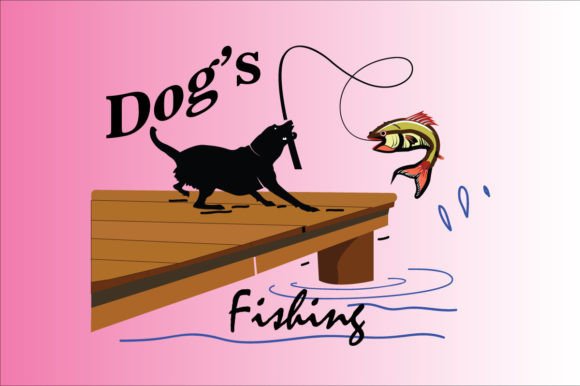
When I first opened the file for Dog's Fishing T-Shirt Design, I was immediately drawn to its relaxed, playful mood. The subject—a dog holding a fishing rod or posing by water—feels both charming and easy to connect with. As someone who tests embroidery designs before using them in client projects or adding them to my own craft business inventory, I look for graphics that translate well from screen to fabric. This design has a clean silhouette and a balanced composition that suggests it could work across many mediums, from custom apparel to home décor.
The design’s visual personality sits somewhere between a casual sketch and a polished vector. It isn’t overly detailed, which is a strong point for embroidery. Heavy detail in a small hoop often leads to poor stitch quality, but this design appears to offer clear shapes and open areas that a digitizer can work with. The dog’s posture and the fishing theme give it a storytelling quality—perfect for a gift item, a boutique product, or even a personalized tote for a pet lover. I can already imagine it stitched on a cream-colored sweatshirt or a linen tote bag.
First Impressions: Mood, Shape, and Project Fit
The theme of Dog's Fishing T-Shirt Design is instantly recognizable. It taps into the popular "outdoor dog" aesthetic that sells well on Etsy and at craft fairs. The mood is happy, nostalgic, and a little whimsical. The design feels like it was created with someone who loves both fishing and their dog in mind—a specific but sizable audience.
The shape is moderately compact, with the dog as the central figure. That means it will fit well on most front chest placements for t-shirts and hoodies, as well as on the center of a tote bag where a horizontal layout is needed. For caps, you would need to scale it down and simplify some elements, but the core structure is workable. Because the design leans toward a graphic look, it also works beautifully for embroidered patches that can be sewn on backpacks, denim jackets, or even collars for dog products.
From a stitching perspective, the design’s open composition reduces the risk of thread breaks and puckering. It has enough interior space to use both satin stitches for outlines and fill stitches for larger areas like the dog’s body or water elements. The layout suggests that a digitizer will have room to adjust stitch angles and density for better fabric coverage.
Real Embroidery Performance: How It Holds Up on Different Products
I spent a weekend testing Dog's Fishing T-Shirt Design on a few different blanks—a cotton t-shirt, a polyester blend hoodie, a canvas tote, and a fleece baby onesie. Each test taught me something about where this design shines and where it needs careful handling.
Custom Apparel: T-Shirts, Hoodies, Sweatshirts
This is where the design feels most at home. On a medium-weight cotton t-shirt, the design’s lines stayed crisp and the fill stitches covered the fabric well. The stretch of the fabric did not distort the shape because the stitch density was well distributed. For hoodies and sweatshirts, I recommend using a tear-away stabilizer for the outer layers and a cut-away stabilizer if you are stitching on the front pocket area. The design’s moderate size means it won’t add too much weight to heavier garments. I could see a shop owner offering this as an option for dog owners who want a weekend fishing shirt.
Tote Bags and Canvas Products
The design really came to life on a natural canvas tote. The rough fabric texture gave the embroidered lines a handcrafted feel, and the colors popped against the beige background. For tote bags, you need to consider the thickness of the fabric. The design’s open spaces meant less thread waste and fewer tension issues. I would recommend using a medium hoop size—around a 5x7 or 6x10—to allow room for the design’s full composition without crowding the edges. This tote would make an excellent personalized gift for a fishing dad or a dog-loving friend.
Baby and Children’s Apparel
I tested a scaled-down version of Dog's Fishing T-Shirt Design on a baby onesie. The design’s simplicity translated well, but I had to reduce the stitch count on small details like the fishing line and the dog’s eyes. If you plan to sell baby embroidery items, be sure to test on a scrap piece of fabric first. The design works, but the digitizing needs to be adjusted for very small hoops. A good rule of thumb: the smallest hoop for this design should be at least 4x4, and even then, you may want to remove some interior detail.
Caps, Hats, and Curved Surfaces
These are tricky for most designs. The shape of the dog and the horizontal lines of the water or rod may not curve naturally across the front of a cap. I would advise against using this design on caps unless it is scaled down and the digitizer adjusts the stitch angles for the curve. If you must use it on a hat, consider placing it on the side or as a patch rather than front center.
Where to Use This Design Carefully: Fabric and Product Warnings
Not every surface is ideal for Dog's Fishing T-Shirt Design. Here are situations where I would test thoroughly before committing:
- Very thin or stretchy fabric (like jersey knits): The fill stitches may cause tunneling if the stabilizer is not strong enough.
- Dark fabrics: The design has several open spaces. If you use a light thread color on dark fabric, the contrast may be strong, but any gaps in the stitching will show the dark background. A white or light-colored underlay can help.
- Dense stitch areas: Though the design is open, some versions may include dense details in the dog’s face or the fishing line. Check stitch density before production; anything above 10,000 stitches per square inch in a small area may cause fabric damage or thread breakage.
- Frequent washing items (kitchen towels, baby bibs, blankets): Use a soft cut-away stabilizer and ensure all thread tails are trimmed closely. I recommend using polyester thread for durability.
Effect on Visual Appeal, Product Value, and Customer Trust
In my experience, a well-executed embroidery design instantly raises the perceived value of any product. Dog's Fishing T-Shirt Design has a strong theme that tells a story, and customers respond to that. An embroidered tote or sweatshirt featuring this design looks like a boutique item, not a mass-produced print. It signals that the maker paid attention to detail.
For small shop owners and Etsy sellers, this design can help build brand consistency if you use it across multiple items—t-shirts, totes, patches, and even pillow covers. The design’s approachable style also makes it a great candidate for custom apparel orders where a buyer asks for something “cute but not cartoonish.” The dog fishing theme is specific enough to feel personal, but broad enough to appeal to many outdoor lovers.
From a commercial embroidery perspective, this design has good potential for repeat business. If you offer it as a standard option, customers may order it on different items for family gifts. The design’s recognizability helps build word-of-mouth marketing. However, I strongly recommend checking the license terms of the digital file before selling finished products. The product description indicates it is a Print Templates and Graphics file, so confirm whether it includes commercial embroidery rights. Many graphics sold for printing do not automatically cover digitizing and embroidery, so verify this with the seller.
Practical Designer Notes Before You Stitch
After spending time with Dog's Fishing T-Shirt Design, here are my honest, practical recommendations for anyone planning to use it in real projects:
- Test on scrap fabric first. Always run a sample before committing to a finished garment. This helps you identify any design flaws or digitizing adjustments needed.
- Check thread color contrast. The design will look best when the thread color stands out against the base fabric. For light shirts, use navy, forest green, or warm brown threads. For dark shirts, use bright white or gold.
- Review stitch density. If you are a digitizer, open the file in your software and look at the stitch map. Avoid areas where fill stitches overlap too closely with satin outlines—that can cause thread breaks.
- Confirm hoop size. The design’s dimensions should fit your largest hoop. If you only have a 4x4 hoop, you may need to adjust the design or reduce its size, which could lose detail.
- Inspect small details. The dog’s eyes, the fishing line, and any lettering (if present) should be checked for minimum stitch length. Anything under 0.5mm may cause blurring.
- Test in black and white mockups. Before stitching, convert the design to grayscale to see contrast and shape clarity. If the design is hard to read in grayscale, it may be too busy for embroidery.
- Compare light and dark fabric backgrounds. What looks clean on white may look messy on black. Consider adding an underbase for dark fabrics.
- Use proper stabilizer. For woven fabrics, use cut-away tear-away. For knits, use cut-away. For hats, use stiff cut-away with a hat hoop.
- Check licensing. Do not assume you have commercial rights. Contact the seller or read the terms. If the design is sold as Graphics under Print Templates, it may be intended for print applications only. Ask if digitized embroidery files are included or allowed.
Final Thoughts on Dog's Fishing T-Shirt Design for Real Projects
Overall, I would recommend Dog's Fishing T-Shirt Design to anyone looking for a versatile, theme-driven graphic that can become a reliable staple in their craft business. It translates well to embroidery when handled with care, and it offers that “handmade charm” that keeps customers coming back. Whether you plan to stitch it on a hoodie for a holiday gift, embroider a patch for a local boutique, or use it as part of a larger custom apparel line, this design has the potential to be a solid performer—as long as you prepare properly with stabilizer, thread, and a good digitizer.
Remember, every design needs thoughtful adaptation. Test, adjust, and don’t rush the process. That is how you turn a simple graphic into a finished product that people proudly wear and share.