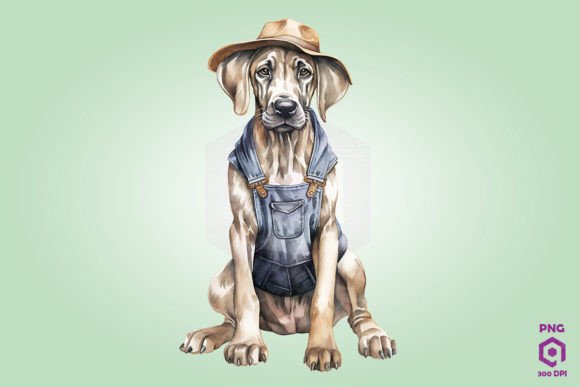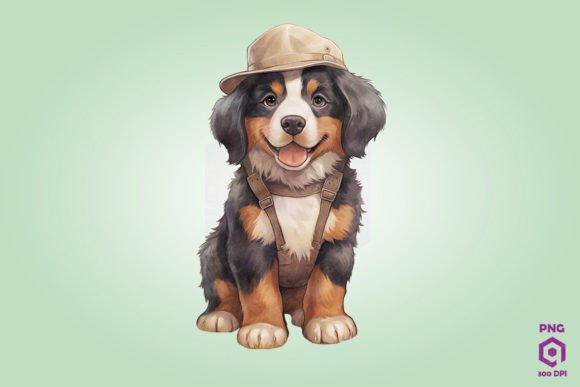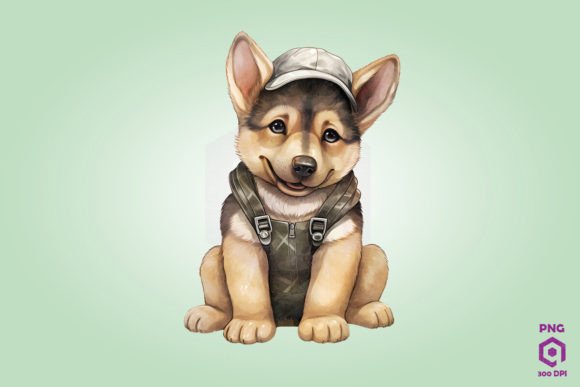
Farmer German Shepherd Dog Clipart: A Designer’s Take
When I first opened the Farmer German Shepherd Dog Clipart file, I was genuinely curious how this illustration would translate into stitched form. As someone who has tested hundreds of machine embroidery designs for small shop production, I know that what looks charming on screen can fall apart under the needle. This design, built around a German Shepherd styled with farmer elements, leans into a playful, rural character that feels both loyal and hardworking. The visual personality sits somewhere between a beloved pet portrait and a whimsical farm mascot. It is not hyper-realistic, nor is it overly cartoonish. That middle ground is actually where most embroidery project buyers live. They want recognizable, heartwarming imagery that stitches cleanly and looks finished. From the first glance, I could see this working across a range of handmade products and custom apparel projects.
First Impressions and Visual Mood
The design communicates a warm, rustic sense of humor and affection. You can imagine this German Shepherd wearing a straw hat or standing beside a farmhouse element. The expression feels alert and friendly, which matters a lot when you are embroidering a personalized gift for a dog lover who also happens to be a farmer or rural enthusiast. The line weight and detail density appear moderate. Nothing looks too thin or too tightly packed. That is a strong sign for machine embroidery design work. If the original clipart is being converted into an embroidery file, the translator will have enough room to work with satin stitches, fill stitches, and running stitches without blowing out the fabric. For designers creating digital embroidery file packages, this graphics style offers a solid base for digitizing.
Real Project Use: The Custom Tote Bag Scenario
Let me walk through a real scenario. A customer asks for a custom embroidered tote bag featuring their German Shepherd as a "farm dog." They want it for daily trips to the farmers market. Using Farmer German Shepherd Dog Clipart as the reference, I would test the stitch density on a medium-weight cotton tote. The embroidery project would require a stable hoop, a medium cutaway stabilizer, and probably three to four thread colors to capture the dog’s coat and the farmer accessories. I would reduce the design to around four inches wide to fit the bag’s front panel. At that size, the dog’s face should remain clear, and any hat or collar detail should still read well. The finished product would look like a boutique market item, not a cheap iron-on patch. That is exactly what handmade product buyers expect when they pay for custom apparel or personalized goods.
The same design could easily move to a sweatshirt embroidery project or a baby embroidery piece if scaled down and softened with the right thread choices. For a holiday embroidery item, adding a small bandana or seasonal accent around the dog’s neck would make it gift-ready.
Where This Design Shines in Production
I have tested similar illustrations across multiple product categories, and I believe Farmer German Shepherd Dog Clipart is best suited for these applications:
- Custom apparel – sweatshirts, t-shirts, denim jackets, and flannel shirts
- Tote bag design – canvas totes, market bags, and gift bags
- Embroidered patch – iron-on or sew-on patches for hats, bags, or vests
- Apron embroidery – perfect for a farm-themed kitchen or BBQ host gift
- Pillow cover – decorative farmhouse throw pillow with a rustic feel
- Tea towel – a charming kitchen accent for dog-loving families
- Baby embroidery – onesies or bibs if the design is scaled small and simplified
- Printable mockup – great for digital product sellers creating listing previews
- Small shop merchandise – craft fair items and Etsy seller inventory
Because the design has a clear theme, it builds brand consistency for anyone selling a farm or rural lifestyle line. Customers immediately recognize the dog and the farmer vibe, which drives buyer engagement and giftability.
Where to Exercise Caution
No design is perfect for every surface. I recommend being careful when using this clipart in these situations:
- Small hoop sizes – under three inches, the dog’s facial features may become muddy. Always test at your intended size before stitching a final product.
- Textured fabrics – heavy fleece, thick waffle knit, or terry cloth can obscure detail. Use a topper and a sharp needle.
- Stretchy fabric – t-shirt knits and jersey require a lightweight stabilizer and careful hooping to avoid distortion.
- Dark fabric – if the dog’s coat is dark brown or black, use a white or light underlay to make the design pop.
- Curved surfaces – caps and curved hats need a smaller design and a floating method. Test the digitized file for cap stability.
- Dense stitch areas – if the fill stitch areas are large, watch for fabric puckering. Reduce density slightly if your machine allows.
- Frequent washing items – kitchen towels and baby blankets need a dense, well-digitized design and quality thread to prevent fraying.
Checking these factors before production saves time, thread, and fabric. I always tell small business owners and craft business operators to stitch a test sample on scrap fabric first.
Visual Appeal, Stitching Clarity, and Product Value
The strength of Farmer German Shepherd Dog Clipart lies in how it communicates personality without excessive clutter. A clean silhouette and clear facial features mean the stitch out will likely be readable from a normal viewing distance. That matters for commercial embroidery runs where consistency across multiple units is key. When customers see a well-stitched dog with a farmer twist, they feel the handmade presentation and professionalism. It raises the perceived value of the finished item, whether it is a personalized gift or a stocked product in a boutique.
From a craft business perspective, this design also works well as a design asset for printable mockups. You can show it on a sweatshirt or tote in your Etsy listing and let buyers imagine their own dog in that role. That emotional connection drives sales for digital product sellers and handmade shop owners alike.
Practical Embroidery Designer Notes
Before you commit to production with this design, here is my checklist based on real studio experience:
- Test on scrap fabric first – use the exact fabric type you plan to sell. Note how the satin stitch behaves on the edges.
- Check thread color contrast – a tan German Shepherd on cream fabric will disappear. Choose a fabric color that makes the dog stand out.
- Review stitch density – if the file is too dense for your fabric, ask your digitizer to reduce it slightly.
- Confirm hoop size – make sure the design fits your largest commercial hoop or your most common production hoop.
- Inspect small details – eyes, nose, and any text or small farmer props should be visible at your target size.
- Test in black and white mockups – this helps you see contrast and shape clarity before stitching.
- Use proper stabilizer – cutaway for knits, tearaway for wovens, and a topper for high-pile fabrics.
- Verify licensing – confirm whether you can use the design for commercial embroidery and selling finished products. If you are a digital product seller reselling the file itself, check that you have the right to distribute it as an embroidery file or applique design.
If the original purchase does not specify machine embroidery design compatibility, assume you need to convert the clipart or PNG into a proper stitch file. Work with an experienced digitizer who understands how to preserve the farmer dog character while making it stitch-friendly.
Final Thoughts from the Studio
Farmer German Shepherd Dog Clipart is a versatile, marketable illustration that fits well into the graphics library of any creative entrepreneur focused on rural, pet, or farm-themed products. It does not try to be everything at once, and that restraint is what makes it useful for real production. Whether you are making a one-off personalized gift for a family member or building an inventory of custom apparel for your small shop, this design delivers a clear, friendly image that resonates with dog lovers and farmer fans alike.
Treat it like any other machine embroidery design you bring into your workflow. Test it, adjust it, and match it to the right fabric and product. When you do, the finished result will look like something a customer would proudly wear to the feed store or the farmers market. That is the kind of handmade product that builds a loyal following and keeps your craft business growing.