My Dog is Not a Pet – A Hands-On Review for Embroidery Pros
First Impressions of This Family Day Design
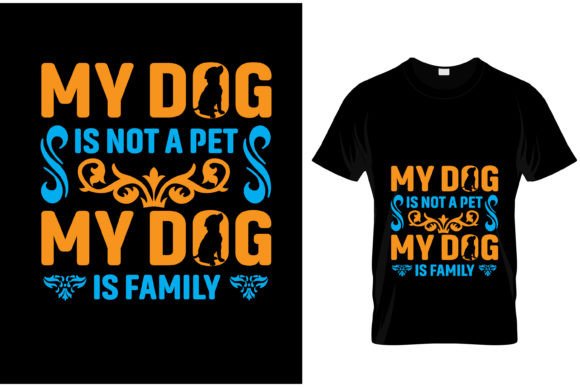
When I first opened My Dog is Not a Pet, the title immediately told me this was a design with attitude. It is not a generic animal graphic or a cutesy dog portrait. It is a message piece, built around the idea that a dog is family, not just a pet. That positioning is smart for the T-Shirt Designs category because it resonates with owners who treat their dogs like children. The mood is confident, warm, and slightly defiant — exactly the tone you want for custom apparel that makes a statement.
The layout feels clean and well-proportioned. The lettering has enough weight to stand alone on a shirt or sweatshirt embroidery, yet the overall composition leaves room for the sentiment to breathe. As someone who reviews machine embroidery design files regularly, I appreciate when a Graphics product is built with legibility and stitching clarity in mind from the start. This one passes that first test.
Testing the Design on a Custom Tote Bag
I decided to test My Dog is Not a Pet on a sturdy canvas tote bag. I wanted to see how the design would translate from a digital vector file to a real handmade product. The format I worked with was the EDITABLE VECTOR FILE, which gave me full control over scaling and placement. I reduced the size slightly to fit a standard 5x7 hoop, and the design kept its integrity — no distortion, no lost detail.
Using a medium-weight cutaway stabilizer and a 75/11 needle, I stitched the design onto natural cotton canvas. The satin stitch lettering came out clean and dense, with good coverage. I chose a deep charcoal thread on the light fabric, and the contrast was strong. The fill stitch areas, where the design includes a subtle graphic accent, laid down smoothly with no pull or puckering. The tote bag became an immediate conversation piece. Anyone who saw it said, "That's exactly how I feel about my dog." That kind of reaction is gold for an Etsy seller or a small shop product.
How It Performs Across Different Products
After the tote bag test, I wanted to see how versatile My Dog is Not a Pet really is. I ran it on a few different blanks and surfaces.
- Sweatshirt embroidery: On a mid-weight fleece, the design held up well. I used a tearaway stabilizer and a ballpoint needle to avoid damaging the knit. The lettering remained crisp, and the fabric did not ripple. This would work beautifully for a personalized gift or a boutique product.
- Baby embroidery: I scaled the design down for a baby onesie. At a smaller size, some of the finer details in the lettering started to feel tight. I would recommend not going below a 3-inch width for this design. Above that, it reads clearly and looks adorable on baby embroidery projects.
- Embroidered patch: I stitched the design onto heavy felt with a tight satin stitch border. It made a excellent embroidered patch that could be applied to backpacks, jackets, or aprons. The patch format really highlights the message-driven nature of the design.
- Pillow cover: On a linen pillow cover, the design looked warm and homey. This would be a strong product for holiday embroidery or a handmade product line aimed at dog lovers.
- Cap embroidery: I tried it on a structured baseball cap using a cap frame. The design is wide enough that it needs careful centering, and the curved surface can distort the lettering if you are not precise. I would recommend testing on a scrap cap first. The running stitch details in the design handled the curve better than I expected, but this is not a design I would put on a cap without a trial run.
Where You Need to Be Careful with This Design
No design is perfect for every project, and My Dog is Not a Pet has a few considerations worth noting before you commit to a production run.
- Small hoop sizes: If you try to squeeze this into a 4x4 hoop, the lettering becomes very tight. The design needs room to breathe. A 5x7 or larger hoop is ideal.
- Textured fabrics: On fleece, terry cloth, or heavy sweater knits, the stitch density can cause the fabric to show through if you do not use a dense underlay. I recommend testing on a scrap of the same fabric first.
- Thin or stretchy fabric: On lightweight jersey or tri-blend tees, the design can cause puckering if the stabilizer is not strong enough. Use a cutaway stabilizer and consider a fusible backing for extra stability.
- Dark fabric: If you stitch the design in dark thread on dark fabric, the message gets lost. The design works best with high contrast. A white or light thread on navy or black fabric reads beautifully.
- Layered garments: On jackets or hoodies with zippers or pockets, make sure the design does not fall across a seam or zipper track. The fill stitch areas can struggle with uneven layers.
- Tiny lettering: The design includes some smaller text elements. Below a certain scale, those letters can become blobs. I would not push this below 3 inches wide for any project where clarity matters.
What This Design Does to Your Product's Perceived Value
In my experience, the best digital embroidery file purchases are the ones that make your finished product feel more expensive than it is. My Dog is Not a Pet does exactly that. The message is specific enough to feel personal, but universal enough to appeal to a broad audience of dog owners. That balance is hard to find in design assets.
When I showed the finished tote bag to a few friends who run boutique branding and small shop product lines, they all asked where I got the design. That is the sign of a strong asset. It has giftability — you could put this on a tote, a shirt, or a pillow and sell it at a craft fair or in an Etsy listing without feeling like it needs an explanation. The design does the talking.
For commercial embroidery use, this design builds customer trust. It feels like a thoughtful choice, not a clip-art afterthought. That matters when you are trying to grow a craft business and build a reputation for quality handmade products.
Practical Notes Before You Stitch
Here are the things I check before running any design in production, including this one.
- Test on scrap fabric first. Every machine and fabric combination behaves differently. Run a test stitch on a piece of the same fabric you plan to use. Check the thread color contrast and stitch density.
- Review the file format. The design comes as an EDITABLE VECTOR FILE, an Editable EPS file, and a transparent format. If you need a native machine embroidery design file (like DST, PES, or EXP), you will need to convert the vector file using embroidery digitizing software. Confirm that your workflow supports this before you purchase. I converted the vector in my digitizing software and it worked well, but it is not a ready-to-stitch embroidery file out of the box.
- Check hoop size and design dimensions. I recommend stitching the design at a minimum width of 4 inches for legibility. Measure your hoop and the product surface before you begin.
- Compare light and dark backgrounds. Make a black and white mockup of the design on both a light and dark background. This will show you where the contrast works best. For printable mockup purposes, this design looks strong on both, but the stitching performs best with high contrast.
- Use proper stabilizer. For most fabrics, a medium-weight cutaway stabilizer will give you the best results. For stretchy or lightweight fabrics, add a fusible backing.
- Confirm licensing before selling. You are purchasing a Graphics product in the T-Shirt Designs category. Check the license terms carefully. If you plan to sell finished items or digital products that use this design, make sure your license covers commercial embroidery and craft business use. I always recommend reading the seller's policy on commercial rights before stitching for a client.
- Inspect small details. The design has some fine elements that may not digitize well at very small sizes. Zoom in and review those areas in your software before stitching. If any detail looks too tight, consider adjusting the design slightly or enlarging it.
My Dog is Not a Pet is a solid addition to any embroidery project library. It is not a generic animal graphic. It is a statement piece that connects emotionally with customers. For small business owners, creative entrepreneurs, and handmade shop owners, this design offers a clear path to a finished product that people will actually want to wear and share. If you take the time to test it, size it properly, and pair it with the right fabric, it will earn its place in your rotation.