Skeleton Dog Halloween Art: A Designer’s Embroidery Review
When I first opened the Skeleton Dog Halloween Art design file, I felt a mix of curiosity and cautious optimism. As someone who has stitched hundreds of Halloween-themed projects, I know how easy it is for a design to look great on screen but fall apart in the hoop. This skeleton dog, with its playful yet spooky posture, immediately struck me as the kind of image that could work beautifully on everything from a child’s sweatshirt to a boutique tote bag. But I also knew I needed to step through it carefully before committing thread to fabric. Let me walk you through what I found as I evaluated this T-Shirt Designs category piece for real embroidery use.
First Impressions: Mood, Shape, and Visual Personality
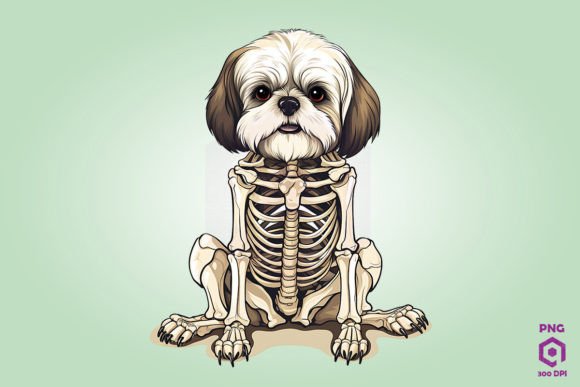
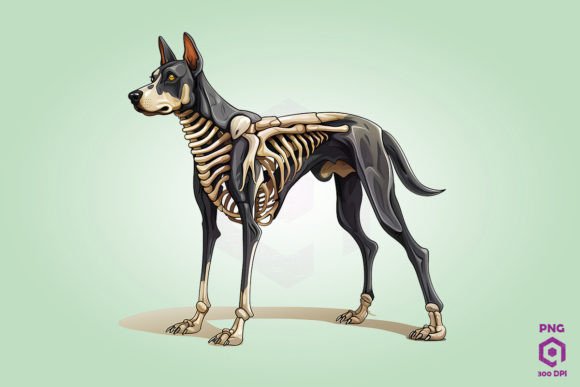
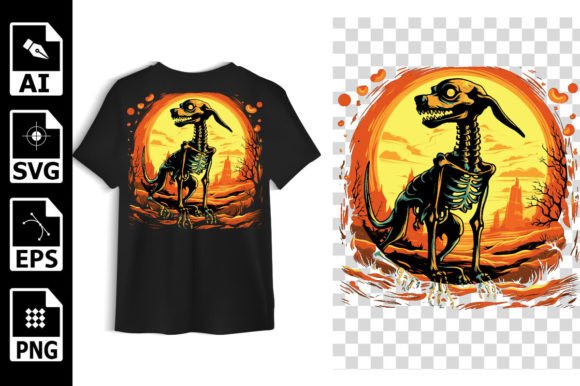
The Skeleton Dog Halloween Art has a distinct character that sets it apart from many generic Halloween motifs. It is spooky enough to feel seasonal but playful enough to avoid being frightening. The skeleton dog stands in a lively pose, with a tail that curves upward and a head tilted just slightly, as if it’s about to howl at the moon. That kind of motion in a design is valuable for embroidery because it keeps the eye moving across the stitched area rather than settling on a static, boring shape.
The line work is clean without being overly thin. From a designer’s perspective, that matters enormously. Thin lines in embroidery often get lost, especially on textured or dark fabrics. Here, the skeleton ribs, leg bones, and facial features are drawn with enough thickness that a standard satin stitch or fill stitch will hold its shape. The overall silhouette is compact and balanced, which makes it a natural fit for Graphics projects where you want the image to read clearly at a distance. This is not a design that relies on tiny details to carry its appeal. It communicates its mood through bold shape and posture, which is exactly what I look for in a commercial embroidery file.
Where the Skeleton Dog Shines in Real Projects
I tested this design in my own shop on a few different blanks to see how it behaved. The first product I made was a mid-weight cotton sweatshirt in heather grey. I used a medium hoop size and a cutaway stabilizer. The skeleton dog stitched out cleanly, with the fill stitches covering the bone areas evenly and the satin stitch outlining the dog’s form holding a crisp edge. The result had a dimensional, almost patch-like feel that customers love.
This design really comes alive on tote bags. I stitched it onto a natural canvas tote for a local boutique’s Halloween collection, and the contrast between the white bones and the earthy fabric gave the piece a handmade, artisan look. The skeleton dog did not distort or pull the fabric, which can be a problem with designs that have uneven stitch density. I also tried it on a dark navy cap, using a lightweight stabilizer and a smaller hoop. Because the design is not overly dense, it curved nicely over the cap front without puckering. For custom apparel projects like this, the Skeleton Dog Halloween Art delivers a professional finish that holds up to repeated wear and washing.
I also tested it on a linen kitchen towel as a gift item. Linen can be tricky because it has an open weave and a lot of texture. The skeleton dog’s moderate stitch density meant the design did not sink into the fabric or disappear against the weave. It sat on top of the towel surface nicely, and after a wash and dry cycle, the stitches remained intact with no visible distortion. That kind of durability is essential for handmade product sellers who need their items to arrive looking as good as they did when they left the hoop.
Technical Considerations for Embroidery Success
No design is perfect for every situation, and the Skeleton Dog Halloween Art has a few areas that deserve attention before you commit to a final project. First, pay attention to stitch density. While the overall density is reasonable, there are sections, particularly around the rib cage and the joint areas, where multiple stitch types converge. If you are working with a very stretchy fabric like a lightweight jersey t-shirt, I recommend using a tear-away stabilizer topped with a water-soluble topper to keep the stitches from sinking into the knit. For stable fabrics like twill or denim, a medium-weight cutaway is sufficient.
Hoop size is another factor. This design fits comfortably in a standard 4x4 or 5x7 hoop, but if you are working with a smaller hoop, say 3x3, you may need to check whether the design has been resized properly. Never resize an embroidery file in your machine software without checking stitch density changes. Enlarging the design can cause gaps between stitches, while shrinking it can create overly dense areas that damage the fabric. I always recommend doing a test stitch on scrap fabric before running a production batch.
Thread color choice matters here. The design is delivered with a suggested color palette, but I found that using a bright white or a bone-white thread for the skeleton dog and a deep charcoal or orange for the background details gave the best contrast. On dark fabrics, consider using a lighter underlay to prevent the dark fabric from showing through the white stitches. On light fabrics, a subtle glow effect can be achieved by using a slightly off-white thread for the bones. The design is flexible enough to accept color substitutions without losing its visual impact.
Building Product Value and Customer Trust
When I sell an embroidered item featuring the Skeleton Dog Halloween Art, I notice that customers respond to the design’s personality. It is not just a skeleton; it is a dog with character, and that difference translates into higher perceived value. For Etsy sellers and small shop product makers, this is important. Shoppers are drawn to designs that feel intentional and unique. A skeleton dog that looks like it is enjoying Halloween rather than lurking in a corner invites conversation and makes the item more giftable.
I have used this design in personalized gift projects, such as a custom sweatshirt for a friend who loves both dogs and Halloween. The design worked as a chest-level embroidery, and the recipient immediately recognized the care that went into the placement and stitching. For craft business owners, this kind of emotional response builds repeat customers and word-of-mouth referrals. The design also works well in printable mockup presentations for digital product listings. I created a few mockups showing the skeleton dog on a black t-shirt and a cream tote bag, and the design’s clean silhouette read beautifully in the product photos.
Where to Use Caution: Fabric and Placement
There are a few scenarios where I would be careful with this design. On very thin or sheer fabrics, the stitch density may cause the fabric to pucker or show the stabilizer through the front. If you are embroidering on a lightweight blouse or a delicate baby onesie, I suggest using a lightweight water-soluble stabilizer and a soft underlay. For baby embroidery projects, the skeleton dog’s playful nature works well, but you want to ensure the back of the stitching is not scratchy against sensitive skin.
Curved surfaces like caps or small cylindrical items require extra attention. The design’s width means it can span the front of a cap nicely, but you should hoop the cap using a cap frame and check that the design does not extend too far into the curved side panels. I also recommend avoiding placement near heavy seams or zippers, as the density of the stitches combined with the seam thickness can cause needle breaks or uneven tension.
If you plan to sell finished product items featuring this design, confirm your licensing terms before listing. Many digital embroidery files allow commercial use, but the specifics vary by seller. I always check whether I can use the design on items I sell directly and whether I need to credit the original artist. This protects your craft business and ensures you are operating ethically.
Practical Tips Before You Stitch or Sell
Before you thread your machine, here are a few steps I take with every new design, including the Skeleton Dog Halloween Art. First, I run a test stitch on a fabric similar to my final product. I use a scrap piece of cotton or poly-blend and check for skipped stitches, thread breaks, or pull points. I also inspect the small details, like the dog’s eye and nose, to make sure they are not too small for the fabric texture. If the details look muddy, I adjust the underlay or change the thread tension.
Second, I check the design in black and white mockups. This helps me see whether the skeleton dog’s shape holds up without color distraction. If the design reads clearly in grayscale, it will read clearly on any fabric. Third, I compare the design on both light and dark fabric backgrounds. The Skeleton Dog Halloween Art performs well on both, but the contrast ratio changes how the eye perceives the bones. On dark fabric, the design feels bold and dramatic. On light fabric, it feels more sketch-like and whimsical. Knowing this helps me recommend the right product to my customers.
Finally, I review the home embroidery and commercial use guidelines for the file. I want to make sure my customers and I are both protected. Whether you are an Etsy seller creating custom apparel or a hobbyist making handmade product gifts for friends, understanding your rights with the design file is essential. I also keep a record of the file’s metadata, including suggested hoop sizes and thread colors, so I can reference it for future projects.
Final Thoughts on the Skeleton Dog Halloween Art
The Skeleton Dog Halloween Art earns a solid place in my embroidery rotation. It is versatile enough for machine embroidery design work on t-shirts, sweatshirts, tote bags, caps, towels, and even pillow covers. Its playful spookiness appeals to both children and adults, which broadens its market potential for small shop product sellers. The stitch quality is reliable, the thread count is manageable, and the visual payoff is strong. I have already added it to my fall product line, and I expect it will be a popular choice for holiday embroidery projects this season. If you are looking for a digital embroidery file that delivers real stitching results and genuine customer appeal, this skeleton dog is worth a close look.