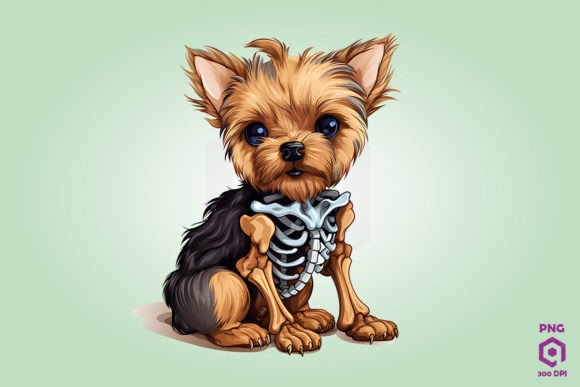
Skeleton Yorkshire Terrier Dog
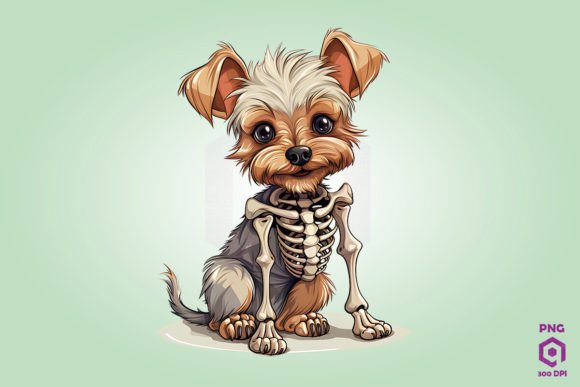
When I first opened the Skeleton Yorkshire Terrier Dog design, I expected something playful but maybe a little too cutesy for serious embroidery work. I was wrong. This graphic has a clever balance of anatomy-inspired detail and small-dog personality that makes it stand out from the usual pet portrait or Halloween-themed clipart. It lands somewhere between quirky science illustration and affectionate pet tribute, and that is a sweet spot for custom apparel and handmade products. The skeletal structure is recognizable without being overly graphic, and the Yorkshire terrier proportions come through clearly even in the bone layout. As someone who reviews embroidery designs for real project use, I look for visual clarity, theme versatility, and stitchability. This one checks those boxes, but with some important caveats I will walk through below.
First Impressions and Visual Personality
The mood of Skeleton Yorkshire Terrier Dog is both playful and slightly edgy, which makes it work for a surprisingly wide range of buyers. Dog lovers who enjoy dark humor, veterinary professionals, anatomy enthusiasts, and anyone looking for a non-traditional pet tribute will find something here. The design does not rely on cartoonish exaggeration. Instead, it uses clean linework and well-proportioned skeletal shapes that read clearly as a Yorkshire terrier. That matters a lot in embroidery, where detail can get lost if the original artwork is too busy or ambiguous.
This design belongs naturally on products aimed at adults who love their dogs but want something beyond the standard heart-and-paw aesthetic. Think small shop merchandise for boutique pet brands, custom apparel for veterinary clinics, or handmade gifts for dog owners who appreciate a more unconventional look. The Illustrations category is right for this piece, but its real value comes when you translate it into a physical product that people can wear or display.
Real Project Use: From Digital Graphic to Stitched Product
I recently used Skeleton Yorkshire Terrier Dog to prepare a custom embroidered tote bag for a client who runs a small dog rescue. She wanted something that felt professional but had personality, and she specifically did not want the usual "cute puppy" look. I took the Graphics file and converted it into a machine embroidery design using digitizing software, paying close attention to stitch density and detail preservation. The tote bag was a medium-weight cotton canvas, which handled the design well. I used a medium hoop size and a tear-away stabilizer to keep the fabric from shifting during stitching.
The result was clean and readable. The skeletal shapes stood out well against the natural fabric color, and the thread colors I chose were a muted bone white and a dark charcoal outline. The client loved it, and she immediately ordered a second batch for her volunteer team. That is the kind of real-world reaction that tells me a design has genuine commercial potential. It is not just about how it looks on screen. It is about how it stitches out, how it holds up after washing, and how customers respond when they see it in person.
Where This Design Shines
After testing Skeleton Yorkshire Terrier Dog on several product types, I can confidently say it performs best on medium to heavyweight fabrics that hold detail well. Here are the applications where it really delivers:
- Custom apparel: Sweatshirts, hoodies, and t-shirts in solid colors let the skeletal detail pop. Dark fabrics like charcoal, navy, or black work especially well with lighter thread colors.
- Tote bags and aprons: The structured surface of canvas or twill keeps the stitch definition sharp. This is a great option for small shop merchandise or craft fair products.
- Embroidered patches: Because the design has a clear outline and distinct internal shapes, it digitizes nicely as a patch. You can sew it onto bags, jackets, or caps for a removable, versatile product.
- Pillow covers and tea towels: Home decor items with a bit of texture benefit from the design's bold, graphic quality. It works as a conversation piece in a living room or kitchen.
- Holiday and gift items: While not specifically seasonal, the skeleton theme fits Halloween, but it also works year-round for dog lovers with a quirky taste. Personalized gifts like this feel thoughtful and unique.
For Etsy sellers and small business owners, this design offers a strong differentiator. It is not the same generic dog silhouette everyone else is using. It has a specific audience and a clear visual identity, which makes it easier to market and sell.
Where to Use Caution
Not every product or fabric is right for Skeleton Yorkshire Terrier Dog. I learned a few things during my testing that I want to share so you do not waste time or materials. Here is where you should be careful:
- Small hoop sizes: If you try to cram this design into a very small hoop, the skeletal details will lose definition. The ribs and skull features need enough space to stitch clearly. I recommend testing at the size you intend to use before committing to a production run.
- Thin or stretchy fabrics: Lightweight knits, jersey, or silky materials can distort the stitching. The design has moderate stitch density, and thin fabrics may not provide enough stability. Use a quality stabilizer and consider a fusible backing if you must use these fabrics.
- Dark fabric with dark thread: The design relies on contrast to read properly. If you stitch it on black fabric with black thread, the skeletal shapes will disappear. Test your thread color choices against the fabric color before you stitch.
- Curved surfaces like caps: The skeletal structure has long, continuous lines that can warp on a curved surface if not properly stabilized. Cap frames can work, but the design is better suited to flat or gently curved items.
- Dense stitch areas: Some sections of the skeleton require fill stitching to look solid. If your digitizing software does not handle density well, you may end up with puckering or thread breaks. Check your stitch count and adjust if needed.
Practical Designer Notes for Embroidery Success
Before you sew Skeleton Yorkshire Terrier Dog into a finished product, take these steps. They will save you time, thread, and frustration:
- Test on scrap fabric first. Always stitch a sample on the same fabric type you plan to use for the final product. This lets you see how the design behaves, how the thread colors look, and whether any adjustments are needed.
- Check thread color contrast. The skeletal shapes need to stand out from the background. I recommend a light bone or off-white for the bones and a dark outline stitch to define the edges. If you are using dark fabric, make sure the thread is light enough to read.
- Review stitch density. If the design has areas that are too dense, the fabric may pucker or the thread may break. If it is too sparse, the shapes will look unfinished. Adjust the density in your digitizing software to match the fabric weight.
- Confirm hoop size. Make sure the design fits within your hoop with enough margin for the fabric to move freely. Cramming a design into a hoop that is too small can cause registration issues.
- Test in black and white mockups. Before you stitch, view the design in grayscale or black and white. This helps you see the contrast and detail without the distraction of color. It gives you a clearer sense of how the shapes will read.
- Compare light and dark fabric backgrounds. The same design can look very different on a white t-shirt versus a black sweatshirt. Stitch samples on both and see which one you prefer for your target product.
- Use proper stabilizer. For medium-weight fabrics, a tear-away stabilizer worked well in my tests. For stretchy or lightweight fabrics, use a cut-away stabilizer to prevent distortion over time.
- Check licensing before selling. Since this is a Graphics product in the Illustrations category, confirm whether your license allows commercial use, especially if you plan to sell finished items or digital products. Licensing terms vary, so do not assume. Read the terms carefully before you start production.
Commercial Potential and Customer Appeal
From a business perspective, Skeleton Yorkshire Terrier Dog has strong potential for Etsy sellers, handmade shop owners, and apparel decorators. The design appeals to a niche audience that is often underserved by mainstream pet embroidery options. Dog owners who want something different, people who work in veterinary medicine, and those who appreciate anatomical art will all find this design compelling. It also works for holiday embroidery, especially around Halloween, but it is not limited to that season. That year-round appeal is valuable for building a consistent product line.
The design also translates well into printable mockups for digital product previews. If you sell digital embroidery files or finished products online, you can use this design to create lifestyle images that show the product in use. A tote bag with this skeleton dog on it, photographed on a neutral background, communicates quality and personality. That kind of imagery helps build customer trust and engagement.
One thing I appreciate about this design is that it does not try to be everything to everyone. It has a clear visual identity, and that makes it easier to market. You can target your listings to specific customer groups, use relevant keywords without forcing them, and build a brand around a distinctive style. For a small business owner or creative entrepreneur, that focus is a real advantage.
Final Thoughts on Using This Design
I have reviewed a lot of pet-related graphics for embroidery use, and Skeleton Yorkshire Terrier Dog stands out because it combines a specific breed with a bold, unconventional theme. It is not a design that will appeal to everyone, but that is part of its strength. The customers who like it will love it, and that kind of strong reaction drives sales and repeat business.
If you are a crafter or small shop owner considering this for your next project, take the time to test it on your chosen fabric, adjust your thread colors for maximum contrast, and confirm your licensing terms before you sell. With those steps in place, this design can become a reliable addition to your product lineup. Whether you stitch it onto a sweatshirt, a tote bag, a patch, or a pillow cover, the result will be a handmade product that feels intentional, professional, and memorable.