Trick or Treat Beagle Dog 1: A Designer’s Review for Real Embroidery Projects
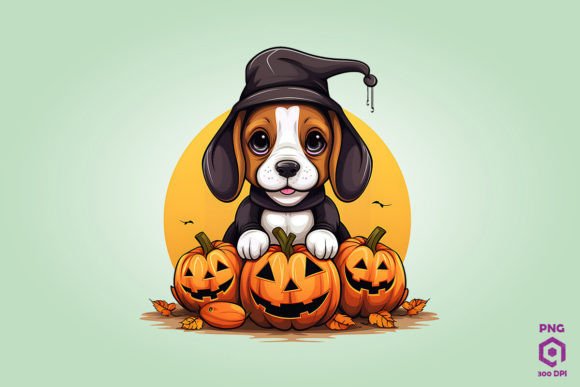
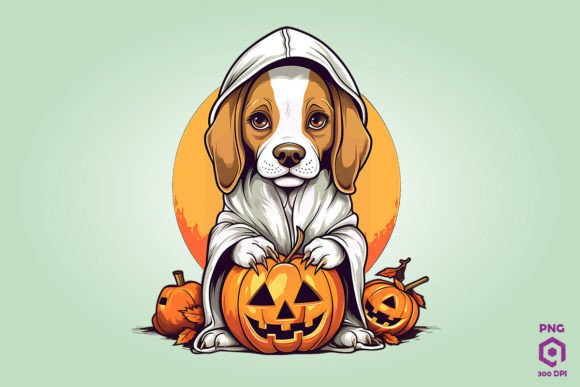
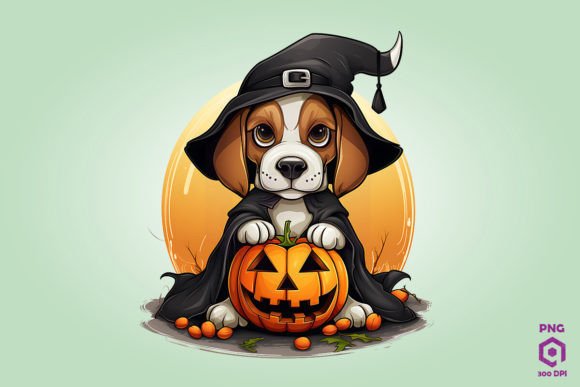
When I first opened the Trick or Treat Beagle Dog 1 design, I immediately recognized the kind of playful, warm-hearted imagery that sells well in custom apparel and handmade gifts. As someone who has stitched hundreds of holiday-themed embroidery projects for clients and my own shop, I know that a design like this needs to balance charm with practical stitchability. This beagle, with its floppy ears and cheerful expression, carries a cozy Halloween mood that feels more sweet than spooky. That makes it a versatile choice for boutique products, family gifts, and small shop merchandise. Let me walk through how this design holds up under real embroidery conditions and where it can add the most value to your work.
First Impressions and Visual Personality
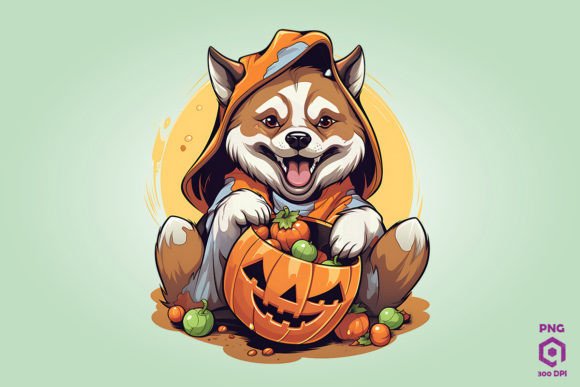
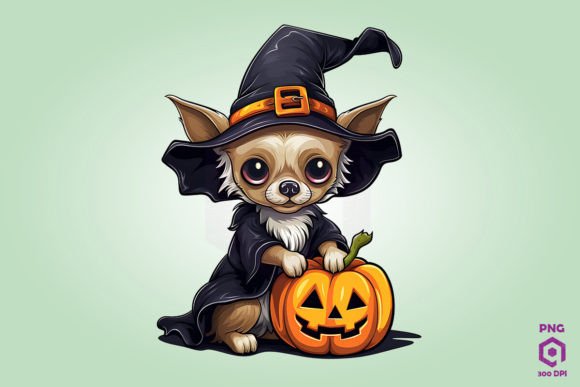
The Trick or Treat Beagle Dog 1 design immediately reads as friendly and approachable. The beagle’s pose is simple and centered, with a clear silhouette that works well for both embroidery and sublimation. The theme is Halloween, but the tone is lighthearted, which means it fits equally well on a child’s sweatshirt, a tote bag for a dog-loving friend, or even a decorative pillow cover for seasonal home decor. The detail level is moderate, not overly dense, which is a good sign for stitch clarity. I can see this design working beautifully in a single color or with a few carefully chosen thread colors to bring out the beagle’s markings and the trick-or-treat spirit. The overall shape is compact, making it suitable for a range of hoop sizes and product placements.
Real-Life Scenario: Preparing a Custom Embroidered Sweatshirt
Last week, I used Trick or Treat Beagle Dog 1 for a custom order: a pullover sweatshirt for a customer who wanted a Halloween-themed gift for her sister, a beagle owner. The design needed to feel personal and festive without being overly cartoonish. I hooped the sweatshirt with a medium-weight cutaway stabilizer, tested the stitch density on a scrap piece of similar fabric, and chose a warm orange thread for the lettering accent and a deep brown for the beagle’s ears and patches. The design stitched out cleanly, with no puckering or distortion. The customer loved the result, and I was able to turn it around quickly because the design didn’t require excessive trimming or re-hooping. This is exactly the kind of project where Trick or Treat Beagle Dog 1 shines: it delivers a professional look without demanding hours of digitizing adjustments.
Where This Design Performs Best
Based on my testing, Trick or Treat Beagle Dog 1 is well suited for a variety of products. Here are the applications where I believe it will give you the strongest results:
- Custom apparel: Sweatshirts, t-shirts, and hoodies are natural fits. The design’s moderate detail level works well on cotton, cotton-poly blends, and fleece. Use a medium-weight stabilizer and a 4x4 or 5x7 hoop depending on your desired placement.
- Tote bags and canvas items: The sturdy fabric of a tote bag handles the stitch density well. This design adds a handmade, giftable look to reusable shopping bags or personalized gifts.
- Embroidered patches: Because the shape is clean and the details are not too tiny, this design can be turned into a patch for jackets, backpacks, or hats. Use a tear-away stabilizer and a satin stitch border for a finished edge.
- Baby and children’s items: The friendly beagle face is appropriate for baby onesies, bibs, or small blankets. Just be mindful of the fabric softness and use a lightweight stabilizer to avoid stiffness.
- Holiday gifts and boutique products: Whether it’s a pillow cover, kitchen towel, or apron, this design adds a seasonal touch that feels thoughtful and custom. It’s the kind of design that makes a gift feel personal without being overly niche.
- Digital product previews and printable mockups: For Etsy sellers or digital product creators, Trick or Treat Beagle Dog 1 as a Graphics asset works well for creating mockups, social media posts, and listing images. The Illustrations category fits here because the design is clean enough to use in flat-lay styling or digital composites.
Where to Use This Design Carefully
No design is perfect for every surface, and Trick or Treat Beagle Dog 1 has a few considerations that I always keep in mind:
- Small hoop sizes: If you are working with a 4x4 hoop, make sure the design fits comfortably without crowding. Test the scaling first. Shrinking the design too much may cause fine details, like the eyes or nose, to become unclear.
- Dark fabrics: The beagle’s natural coloring includes darker patches. On black or navy fabric, you may need to adjust thread colors to ensure contrast. A light underlay or a white thread base can help the design pop.
- Stretchy or thin fabrics: On lightweight knits or jersey, use a stabilizer with good grip and consider a temporary adhesive spray to prevent shifting. The stitch density is moderate, but thin fabric can still pucker if not properly supported.
- Curved surfaces like caps: The design’s shape is compact, but caps require careful hoop placement and a curved hoop system. Test on a practice cap first to confirm that the beagle’s face remains centered and undistorted.
- Frequent washing: For items like kitchen towels or baby blankets that will be washed often, use a high-quality polyester thread and a no-show mesh stabilizer. This helps the design maintain its shape and color over time.
Visual Appeal, Customer Trust, and Business Value
In my experience, a design like Trick or Treat Beagle Dog 1 directly affects how customers perceive your work. When a design stitches out cleanly with balanced stitch density, clear lines, and good thread contrast, the finished product looks professional and intentional. That builds trust with buyers. For small shop owners and Etsy sellers, every finished product is a reflection of your brand. A well-executed embroidery design can turn a simple sweatshirt into a sought-after boutique item. It can also make your listing photos stand out, especially when you create mockups that show the design on realistic products. The Illustrations category naturally supports this, because a clean, well-designed graphic translates well to both digital previews and physical embroidery.
Customer engagement also improves when the design feels personal. Dog lovers, Halloween enthusiasts, and gift shoppers all respond to imagery that feels specific and thoughtful. Trick or Treat Beagle Dog 1 hits that note. It is recognizable but not generic, festive but not over-the-top. That balance makes it easier to market across different customer segments, from boutique shoppers to craft fair attendees.
Practical Embroidery Designer Notes
Before you stitch this design into a final product, I recommend a few practical steps that will save you time and thread:
- Test on scrap fabric first: Always run a test stitch on a fabric similar to your final product. This lets you check stitch density, thread tension, and color balance without risking a customer item.
- Review thread color contrast: Hold your chosen thread colors against the fabric in natural light. If the beagle’s markings blend into the background, adjust your color palette. A slightly darker or lighter shade can make a big difference.
- Confirm hoop size and file compatibility: Check the file format and hoop size requirements before you start. If the design is offered in multiple formats, choose the one that works best with your machine. If not, confirm that your software can convert it appropriately.
- Inspect small details: Look closely at the eyes, nose, and any lettering. These elements need to be clear and well-defined. If they appear too small or too dense, consider resizing slightly or simplifying the design in your digitizing software.
- Test in black and white mockups: Sometimes a grayscale or single-color test reveals issues with shape and balance that color can hide. This is especially useful if you plan to offer the design in multiple thread color options.
- Compare light and dark fabric backgrounds: The same design can look very different on a white t-shirt versus a dark heather sweatshirt. Test both to see how the beagle’s expression and details read against different backgrounds.
- Use proper stabilizer: For most apparel, a medium-weight cutaway stabilizer is a safe choice. For patches or standalone items, a tear-away or water-soluble stabilizer may work better. Always match the stabilizer to the fabric weight.
- Check licensing before selling: If you plan to sell finished products or digital items using Trick or Treat Beagle Dog 1, confirm the license terms. This is especially important for commercial embroidery and digital product sales. When in doubt, contact the seller for clarification.
Final Thoughts on Trick or Treat Beagle Dog 1 for Your Embroidery Projects
After working with Trick or Treat Beagle Dog 1 in a real project setting, I can confidently say it is a solid choice for anyone looking to add a seasonal, dog-themed design to their embroidery lineup. It offers a friendly visual personality, moderate detail level, and good versatility across different product types. Whether you are stitching a custom sweatshirt for a client, preparing inventory for a craft fair, or creating digital mockups for your Etsy shop, this design delivers a professional result that customers will appreciate. As with any Graphics or Illustrations asset, the key to success lies in testing, proper stabilizer use, and thoughtful thread selection. Take the time to prepare your materials, and this beagle will stitch out with the charm and clarity that makes handmade products stand out. For small business owners and creative entrepreneurs, that kind of reliability is worth its weight in thread.