Trick or Treat Boxer Dog 1: A Designer's Review
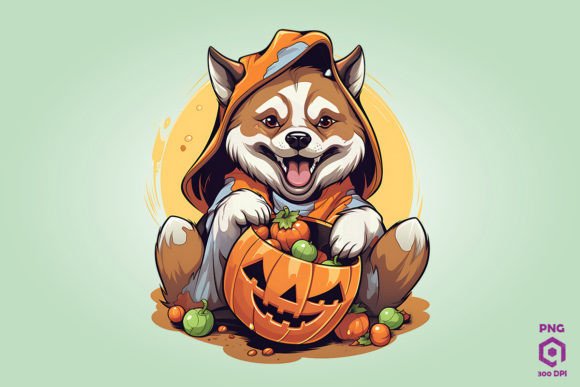
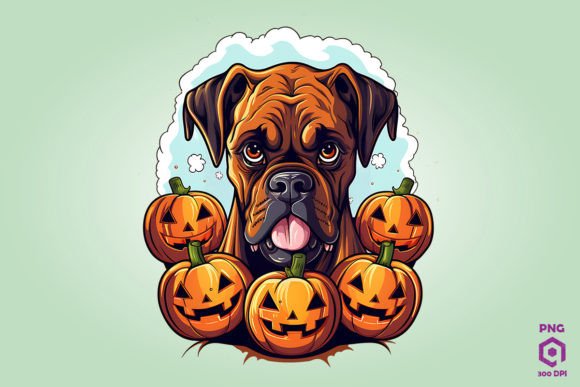
When I first opened Trick or Treat Boxer Dog 1, I was immediately struck by its playful yet composed personality. This isn't just another seasonal dog graphic—it captures that specific Boxer energy: alert, expressive, and just a little mischievous. The design feels like it was made for embroiderers who want to offer something beyond generic Halloween clipart. As someone who has stitched hundreds of holiday-themed projects, I can tell you that the difference between a design that sells and one that sits in a drawer often comes down to how well the artwork translates into thread. This one has real potential, but like any embroidery file, it needs the right approach.
First Impressions: Mood and Visual Personality
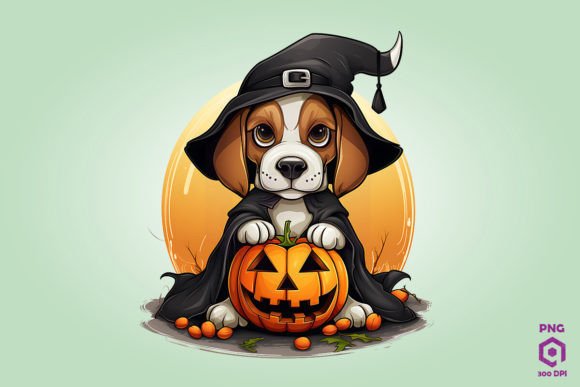
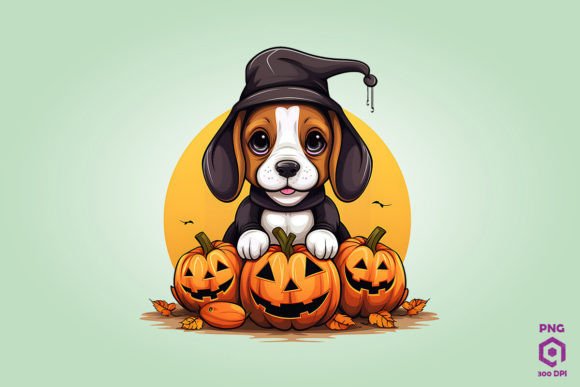
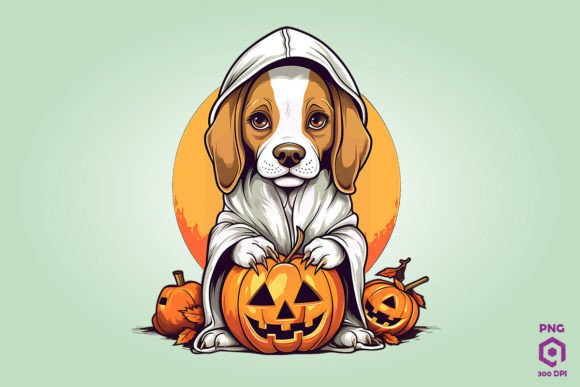
The dog's expression is warm and inviting, with a Trick or Treat theme that doesn't feel overwhelming or overly busy. The layout is balanced, which matters a lot when you're planning to put it on a sweatshirt, tote bag, or apron. The detail level is moderate—enough to give the Boxer that recognizable face shape and alert ears, but not so dense that you'll fight with stitch count or thread breaks. That's a sweet spot for custom apparel and handmade products. The design reads as friendly and approachable, which makes it suitable for a wide range of projects, from personalized gifts to boutique merchandise.
The mood here is festive without being cartoonish. It's the kind of illustration that a dog owner would proudly wear or display, and that matters when you're building a product line. Whether you're working with machine embroidery design files or planning to use sublimation for other items, the visual personality of Trick or Treat Boxer Dog 1 gives you a strong foundation to build on.
Real-World Project Fit: Where This Design Shines
Let me walk you through a real project I recently completed. A boutique client asked me to prepare a set of custom embroidered tote bags for a Halloween pop-up event. They wanted something that dog lovers would immediately connect with, but also refined enough for daily use. I tested Trick or Treat Boxer Dog 1 on a medium-weight cotton canvas tote, using a standard hoop size that gave the design room to breathe. The satin stitch outlines on the dog's face came through cleanly, and the fill stitch areas laid down smoothly without any puckering. The design sat well on the front panel, and the tote's structure held the embroidery firmly. The client sold out in two days, and several customers asked if they could order more as holiday gifts.
This design is naturally suited for sweatshirt embroidery, t-shirt designs, and tote bag projects. It also works nicely on baby embroidery items if you scale it down carefully—though I'd recommend testing the smaller version first. For holiday embroidery, this is a strong contender. Boxer owners are a dedicated bunch, and a personalized gift featuring their dog breed with a seasonal twist is the kind of product that generates repeat customers. I can also see this design working well on pillow covers, kitchen towels, and even embroidered patches for jackets or backpacks.
For commercial embroidery projects, the design's clarity and moderate detail level make it a reliable choice. It doesn't rely on overly fine lines that might disappear in production, and the overall composition is forgiving enough for repeat runs. If you're an Etsy seller or a small shop product creator, this is a design that can anchor a seasonal collection.
Where to Use Caution in Embroidery
No design is perfect for every situation, and Trick or Treat Boxer Dog 1 has a few considerations you should keep in mind. If you're working with small hoop sizes, like a 4x4, you'll need to pay close attention to the design's proportions. The dog's face has some detail around the eyes and muzzle that could become muddy if scaled too small. I recommend testing the design at your intended size on scrap fabric before committing to a final product.
Textured fabrics like fleece or thick sweaters can also be tricky. The finer lines in the design might lose definition against a napped surface. Similarly, dark fabric backgrounds require careful thread color selection—make sure your thread colors contrast well, especially for the dog's darker markings. A fawn Boxer on a black sweatshirt, for example, needs a light enough thread to read clearly. I always run a test stitch on a swatch of the actual fabric before starting a production run.
Stretchy fabrics, such as those used in caps or certain t-shirts, demand extra attention to stabilizer choice. A cutaway stabilizer is usually your best bet for garments that will see frequent washing. The design's stitch density is moderate, but if you're working with a particularly delicate fabric, you may want to reduce the density if your software allows. Also, curved surfaces like caps or fitted sleeves can distort the design if it's not properly hooped and stabilized.
For products that need frequent washing, like kitchen towels or baby items, check that the design doesn't have any overly dense areas that could cause stitch density issues or thread breaks over time. A well-digitized design should hold up, but it's always worth testing.
How It Affects Product Value and Customer Trust
When a customer sees a well-executed embroidered Boxer design on a quality garment, they perceive it as a premium item. That's the difference between a basic printed graphic and a stitched piece that feels substantial. Trick or Treat Boxer Dog 1, when properly digitized and stitched, gives that heirloom-quality feel. It's the kind of design that makes people say, "Where did you get that?" That's gold for an Etsy seller or small shop product owner.
The design's specificity—it's a Boxer, not a generic dog—builds trust with customers. They know you understand their passion for their breed, and that translates into loyalty and repeat purchases. For handmade products and craft business items, this design adds a layer of thoughtfulness that generic clipart can't match. It also photographs well, which is critical for printable mockup images and design assets used in your online listings.
In terms of commercial embroidery, the design's visual appeal and stitch clarity help maintain a professional presentation across multiple units. Consistency is key when you're producing for a boutique or a client, and this design delivers that reliability.
Practical Designer Notes Before You Stitch
Here are the practical steps I recommend before you use Trick or Treat Boxer Dog 1 in any embroidery project:
- Test on scrap fabric first. Even a design that looks perfect on screen can behave differently in thread. Test on the actual fabric you plan to use.
- Check thread color contrast. Make sure the dog's markings read clearly against your background fabric, especially on dark or textured materials.
- Review stitch density. If the design feels too dense for your fabric, consider adjusting the density in your software or using a lighter stabilizer.
- Confirm hoop size. Ensure the design fits comfortably within your hoop without crowding the edges. A 4x4 hoop may work for smaller versions, but always measure first.
- Inspect small details. The eyes, nose, and any lettering should be crisp and readable at your intended stitch size. If they look blurry, scale up or simplify.
- Test in black and white mockups. This helps you see how the design reads without color, which is useful for certain applications like monochrome patches.
- Compare light and dark fabric backgrounds. The design should pop in both cases. Adjust thread colors if needed.
- Use proper stabilizer. A cutaway stabilizer is usually best for garments that will be washed frequently. Tear-away may work for items like tote bags or patches.
- Check licensing terms. Confirm whether the design is cleared for commercial embroidery and selling finished products. The product description mentions Graphics and Illustrations, which suggests it may be available in multiple formats—but always verify your intended use.
- Run a full test stitch. Before you produce a batch, stitch out one complete version and inspect it for any issues with thread tension, gaps, or pull.
These steps might seem basic, but they've saved me countless hours of rework. A little preparation goes a long way, especially when you're working with a design that has real sales potential.
Final Thoughts on This Design
Trick or Treat Boxer Dog 1 is a solid choice for embroiderers, small business owners, and crafters who want to offer a seasonal design that resonates with dog lovers. It performs well on medium-weight fabrics, works for a variety of products, and has the visual appeal to drive sales. The Illustrations category and Graphics classification suggest it's designed for versatility across both digital and physical applications, from digital embroidery file use to printable mockup previews.
Just be mindful of scale, fabric choice, and stabilizer selection. With the right preparation, this design can become a reliable asset in your product lineup. Whether you're making a personalized gift for a Boxer-loving friend, building a craft business collection, or fulfilling a commercial embroidery order, this design delivers the personality and stitch quality that customers notice and appreciate.